
True Lies: the scourge of online impersonators
And the real price the victims pay
Pandemic isolation and loneliness created an online playground for impersonation fraudsters.
Lonely, isolated people, desperate for human interaction during the pandemic, were scammed out of a record £301.8m by impersonation fraudsters in 2021, according to UK Finance. During that year, cases doubled to an unprecedented level of 76,230 - although the 2020 figure was still a staggering £117.9m.
Unscrupulous criminals, pretending to be someone else; a friend, a lover, bank staff, or even the police, sneaked into positions of trust with unsuspecting victims. And once drawn in, those victims paid dearly, both financially and mentally, while some, sadly, paid with their own lives.
The most prevalent impersonation frauds, according to UK Finance 2021, are romance and police/bank impersonation scams. Both types of fraud are predicted to rise substantially in the coming years.
Romance Fraud - I thought I had met the one, but it was just the start of the nightmare.
In-person romance fraud - The ‘in your head and then in your bed’ fraudsters
Many fraudsters are brazen enough to meet up with their online victims and develop their deceptive relationships in person. Their fake profiles on dating sites are designed to attract vulnerable partners, while hiding criminal backgrounds. Those reeled in will eventually be manipulated or abused - either financially, mentally, or physically.
Although only 5% of romance fraud victims actually meet their perpetrators, National Crime Agency’s data shows the number of cases of in-person romance fraud rose significantly from 350 in 2019 to 1,830 in 2021 - where 83% of reported victims were women. However, Office for National Statistics data found fewer than 16% of victims made a report.
Fake Profile man stabbed online date to death - Katherine Smith’s story
The deception that led to a deadly encounter
It was a very modern love affair for young mum Katherine Smith. The 26-year-old thought she had met Mr Right, 46-year-old Anthony Lowe from Coventry, after joining the dating website Plenty of Fish.
Their whirlwind affair progressed quickly, and after only one week, they got engaged. But it was not all as it seemed.
Katherine, of Cardiff, was unaware Lowe was using a fake name, ‘Tony Moore’, and knocked 10 years off his age in order to meet and seduce her.
But it was the start of a drastic turn of events that would culminate in her being murdered in September 2017 - just six weeks after the pair started dating.
“Jealous and controlling”
Soon after their meeting, Lowe quickly became suspicious and violent, persistently messaging Katherine and checking up on her.
One evening, while the couple had been playing skittles at Tongwynlais Rugby Club in Cardiff, Lowe had been in a bad mood, and according to South Wales Police, refused to speak to Katherine on the car journey home.
Later that night, Katherine messaged her friend, Sarah Walker, concerning Lowe was acting differently from how he had done online initially.
“He is ridiculously jealous and controlling,” she said.
“He pulled me down to the ground and made me whack my head and he hurt my arm, and it’s not the first time.”
That night, Lowe stabbed Katherine 33 times to death with a kitchen knife. Her body was discovered in her flat by police after Lowe sent her mother, Debbie Smith, a shocking text confessing Katherine’s murder and revealing his true identity.
Police records show Lowe had more than 140 previous convictions, including assault and violence against women. However, being able to hide his background on the dating app made these facts remain unknown to women looking for love.
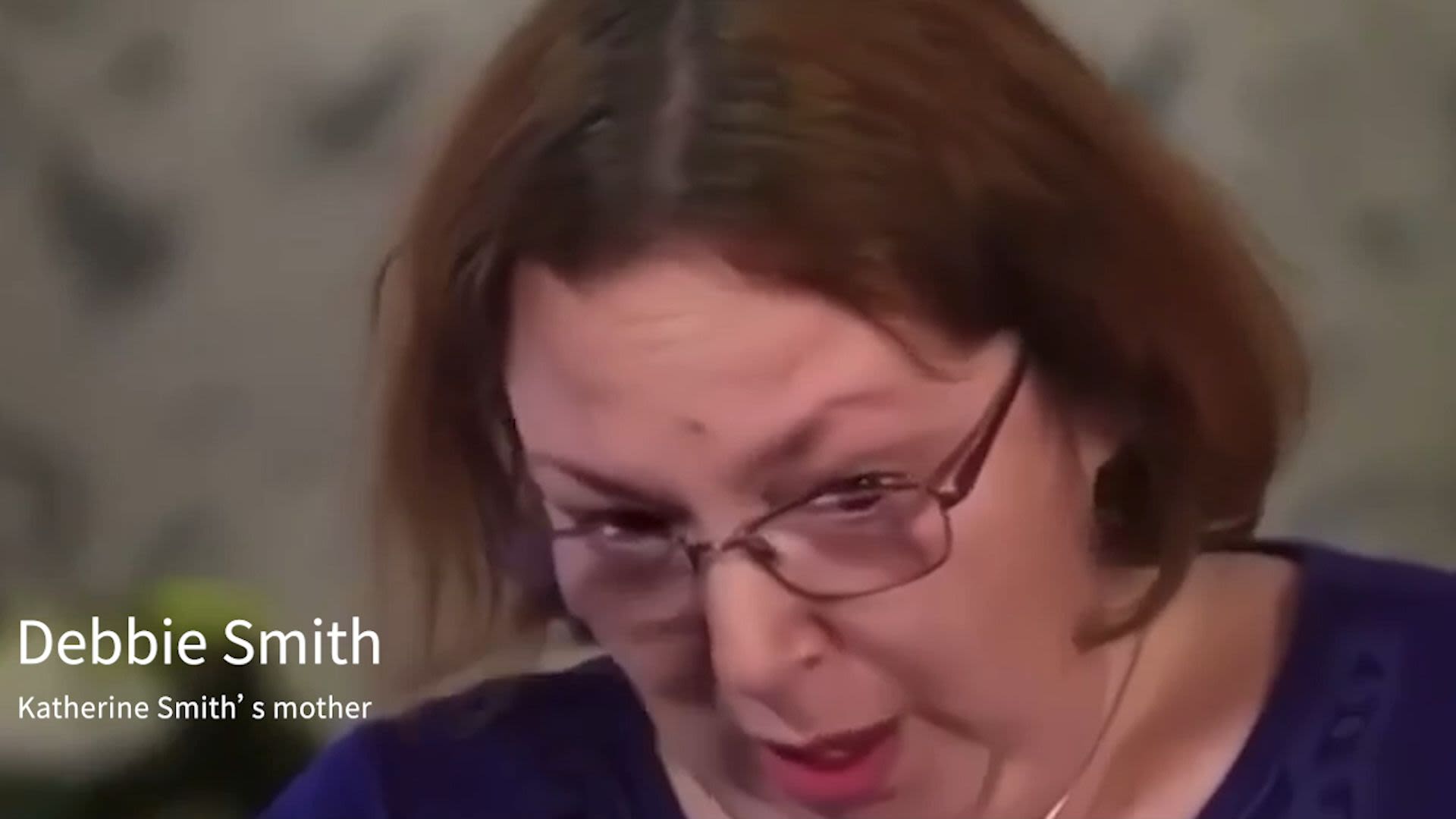
Debbie Smith on discovering her daughter had been murdered
Debbie Smith on discovering her daughter had been murdered
Mrs Smith said: “The pain of telling my granddaughter that she would not see her mummy anymore was unbearable. Our hearts are broken.
“If Katherine had known about his past, she wouldn’t have gone with him. It’s torn the family apart.”
Lowe was arrested by police in Weston Super Mare later the day he killed Katherine, and was jailed for life with a minimum term of 18 years.
A dangerous lottery?
Mrs Smith believes more checks need to be done on the backgrounds of people using online dating sites to prevent these tragedies.
However, a report by Pew Research Centre in 2022 revealed none of the popular free dating apps like Tinder or Plenty of Fish offer background and ID checks on users in the UK.
In response, Match Group, owner of Plenty of Fish and Tinder, said: “We have partnered with a background check platform to allow our users to do checks in the US, but other countries have more complex systems making this more difficult.
“We are continually improving our systems to make our apps a safer place.”
While safeguards remain missing, one concerned woman has taken matters into her own hands.

Murderer Anthony Lowe (Image from South Wales Police)
Murderer Anthony Lowe (Image from South Wales Police)

Knife used to kill Katherine Smith (Image from South Wales Police)
Knife used to kill Katherine Smith (Image from South Wales Police)
I thought I had met the man of my dreams on a dating app, but then I discovered his sickening past. - Elaine Parker’s story
“It was like flicking a switch, from Jekyll to Hyde.”
When Elaine Parker, 42, of Newcastle, went on the dating site Plenty of Fish in 2016, she met a man who made her feel like she had won the love lottery.
Elaine said: “If God created first dates, this would have been one of them.”
They got on so well that they met almost immediately, and got engaged after eight months.
“There were no red flags at all in those initial conversations,” Elaine said, reflecting back.
But after their engagement party her fiancé’s behaviour suddenly, and dramatically, changed.
She said: “In the taxi home, he became angry and abusive out of nowhere, shouting at my son and me. When we got home, he smashed the house up. It was like flicking a switch from Jekyll to Hyde.”
From that night, things went from bad to worse. He became jealous of Elaine spending time with her son or even walking her dog. When Elaine tried to step back from the abusive relationship, her fiancé began drinking more, and, horrifically, he raped her.
Elaine said: “It changed me as a person forever, but he had already moved on to dating someone else online.
“He also wanted my money. He made me put his name on the mortgage so that he could get the house. Living with him was horrendous.”
She added: “When I finally managed to get him out of the house, he started stalking me. He turned into a monster.”
Elaine felt such an intense shame that she kept what had happened to herself, until the night he tried to break into her house. Finally, she rang the police, and they uncovered his long criminal history of domestic abuse, and of using apps to look for vulnerable women. The man was arrested and jailed for nine years, leaving Elaine furious that such a violent criminal had been allowed to use the dating app, even before he was sentenced.
“Somebody has to make a stand.”
As a result, she set up the dating site Safer Date in 2020. It is the only dating site that requires ID and criminal background checks for every person who signs up, globally.
Elaine said: “It’s a life stigma for me, but somebody has to make a stand to protect people.”
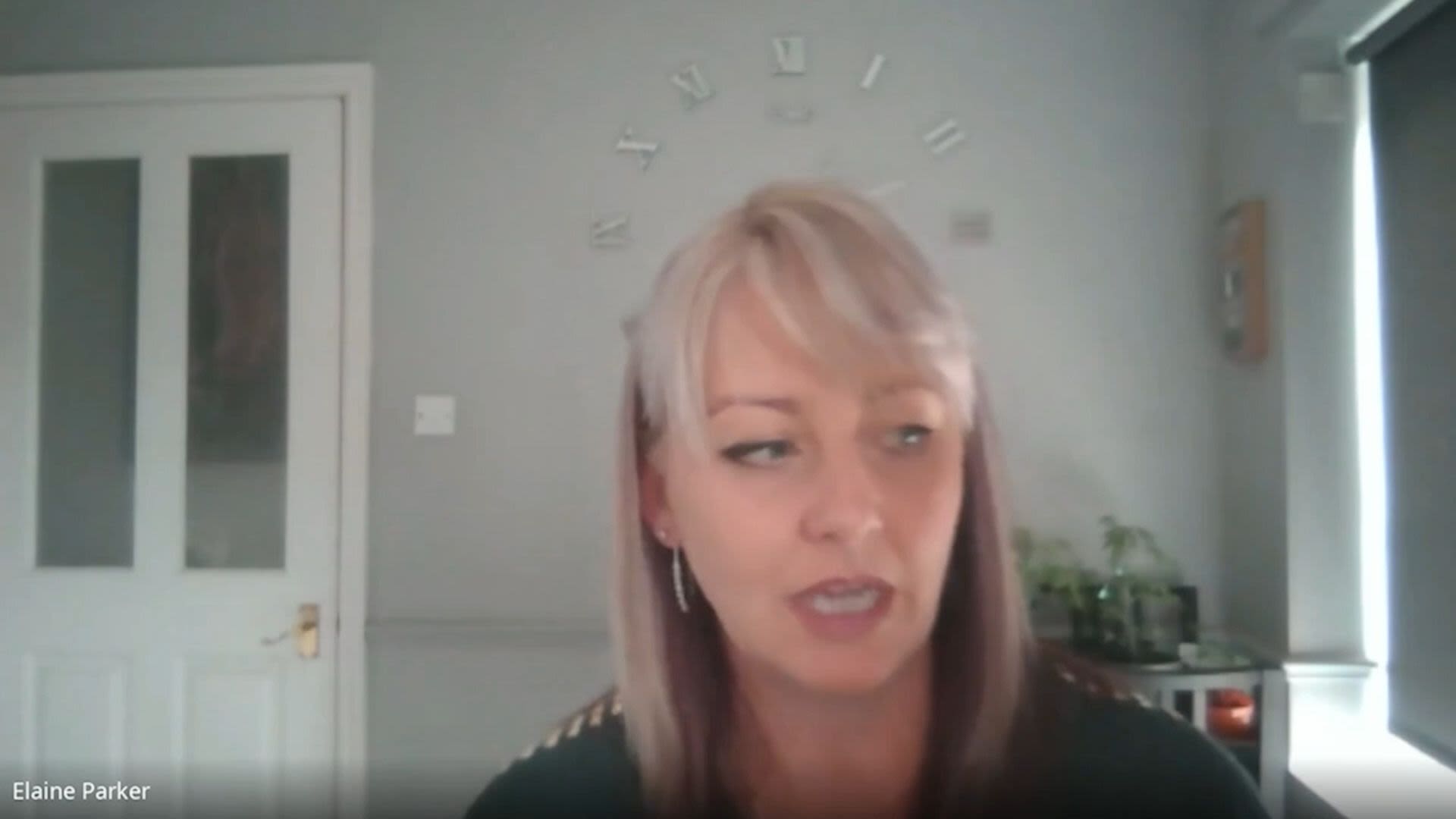
Fraud-date victim, Elaine Parker, concerned about app regulations.
Fraud-date victim, Elaine Parker, concerned about app regulations.
Online romance fraud - They steal your heart, and your money.
Without advanced background and identity checks being carried out, dating apps continue to be the hunting grounds of dangerous criminals.
Figures from the National Crime Agency in 2021 demonstrated over 90% of romance scams involve vulnerable people being duped into sending money to online criminals who fake their identities to gain victims’ trust and love. The scammers are very clever at using emotive language to manipulate and persuade victims in a way that requests for money do not raise alarm bells. For example, they may claim they need money for emergency medical care.
Victims more likely to suffer depression
The National Fraud Authority revealed the number of overall online romance fraud cases in 2021 had more than tripled to 34,784 (from 9,800 in 2019), with around 40% of victims becoming depressed as a result.
A report by The Money and Mental Health Policy Institute in 2022 stated someone who has previously been a victim of any online fraud, is three times more likely to develop mental health issues than the rest of the population. It also said men were less likely than women to speak out due to feelings of embarrassment and the impacts of betrayal trauma.
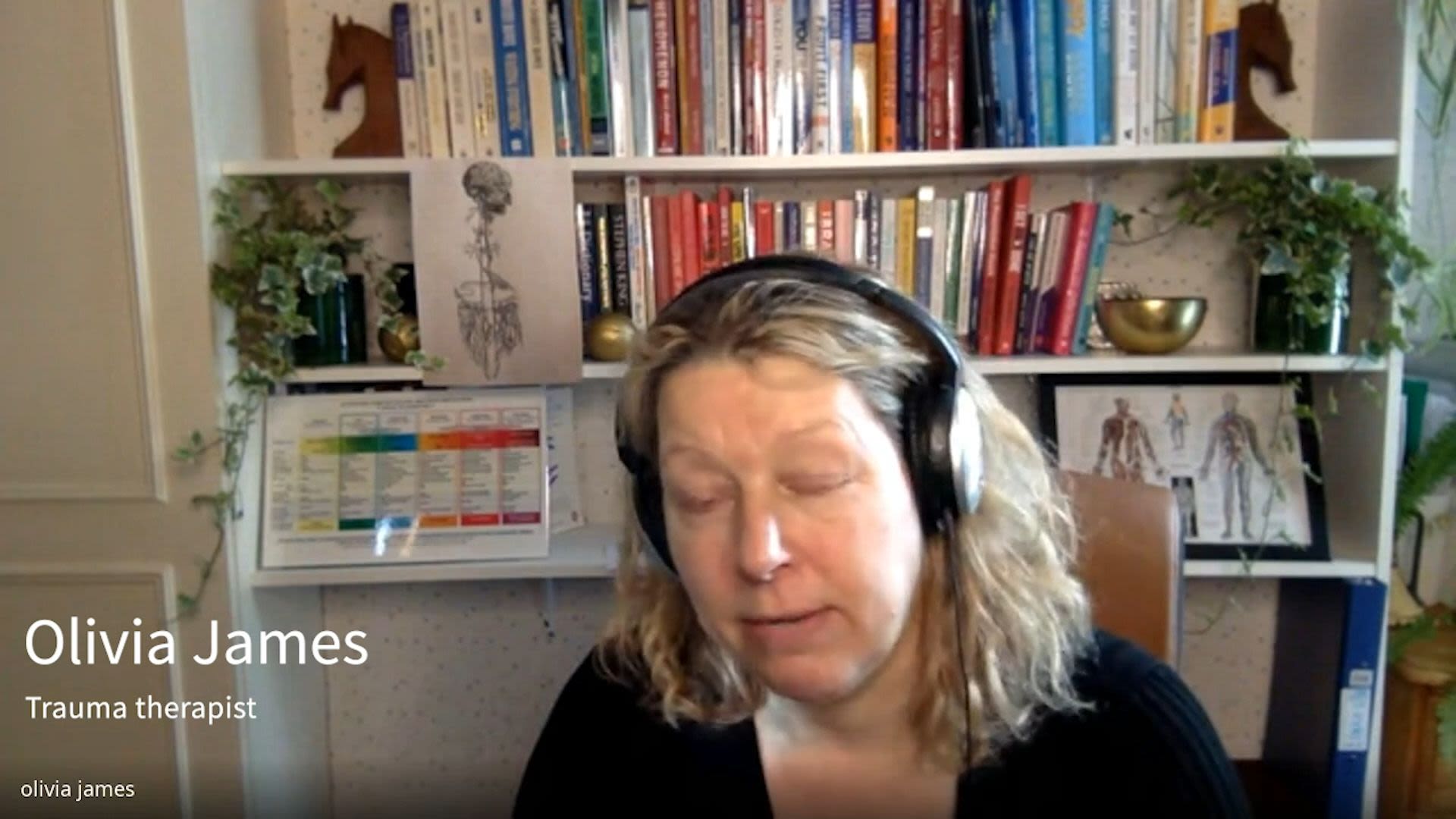
Olivia James - Betrayal trauma ‘most devastating’ for victims
Olivia James - Betrayal trauma ‘most devastating’ for victims
Meet Keith
Someone who has felt the impact of betrayal trauma is Keith Grinsted, 69, of London. Keith was left feeling depressed after being scammed by someone who he believed was the love of his life.
It was June 2020, during the coronavirus lockdown, when Keith met ‘Tina’ on a dating app.
He said: “When you’re on your own and isolated, you just crave company, and it was fantastic when she came along.”
Tina told Keith she was a single mother living in London, and during those first few weeks, Keith believed they were forming a lovely relationship.
“It was the thin end of the wedge.”
But soon afterwards, Tina started asking Keith for money, ‘revealing’ to him she was living in poverty, and sending him photos of her hungry child.
Keith said: “She really tugged on my heartstrings, so I sent her £25 for shopping. But it was just the thin end of the wedge.”
Keith and Tina eventually arranged to meet in person, but on that day she mysteriously vanished, re-appearing a week later to say her mother had suddenly been taken ill, and she went to America to take care of her. However, it wasn’t until weeks later, when she asked Keith for the flight money to get back home, that alarm bells started to ring.
Rather than send her money, Keith offered to book and pay for the flight himself, and that ended their ‘relationship’.
“She just disappeared without a trace,” he said. “The emotional impact was huge.”
“I was devastated. I lost confidence in other people being honest and trustworthy.”
Afterwards, Keith continued to be targeted by online scammers, with potential ‘partners’ using the personal information he was revealing to them to try and hack his email and other online accounts.
The horrible dating experiences triggered Keith’s memories of him being scammed out of £20,000 by a company he worked for in 2010, during which time he was close to committing suicide twice.
Keith said: “All of these experiences traumatised me so badly during the pandemic that I was on the verge of a nervous breakdown.”
Happily, in August 2021, Keith finally met someone honest to share his life with, and they are now engaged.
He said: “It took me a long time to build up the confidence to actually trust somebody, because I was devastated and I just lost confidence in other people being honest and trustworthy.”
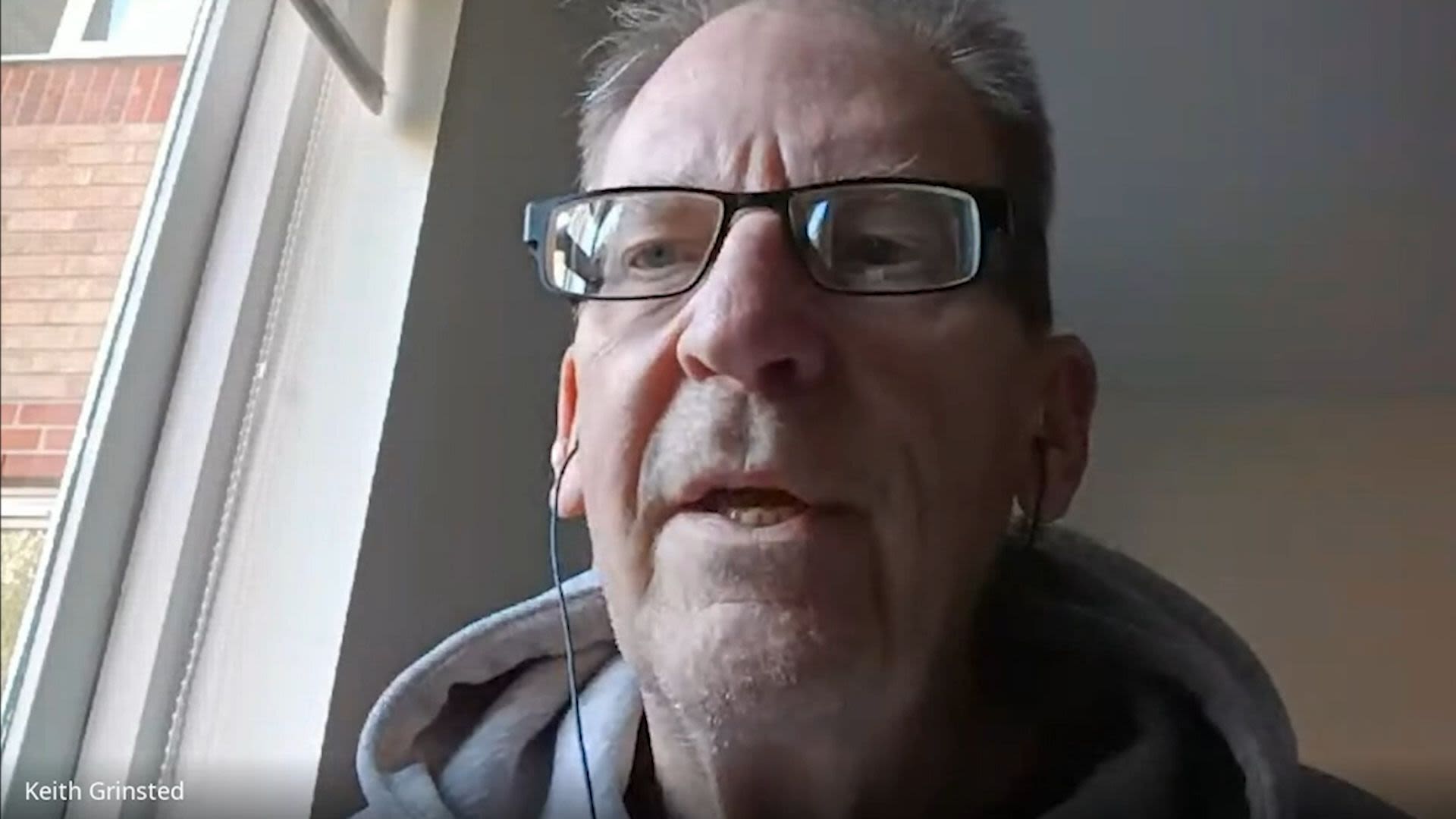
Keith Grinsted - “I was just waiting for her to ask for money.”
Keith Grinsted - “I was just waiting for her to ask for money.”
Keith explained the first step to recovery from betrayal, is to talk about what happened. To help people do that, he set up the online support group, Goodbye Lonely, in 2020.
He said: “Romance fraud needs a lot more publicity. I went through my lowest points being scammed, and I don’t want others to be in the same situation as me.”
Bye bye money... hello bankruptcy court.
Dealing with the emotional stress of losing a ‘lover’, and having them steal from you, is only part of the ongoing fallout for victims of online romance fraud. Usually, they then need to address the financial difficulties they have been left with - some even having to face bankruptcy.
Meet Rachel
When Rachel Elwell, 51, checked her Facebook dating page on New Year’s Day 2021, she was thrilled to find she had received a message from a handsome stranger.
Stephen, or ‘Bario’, as he preferred to be called, told Rachel, of Brownhills, West Midlands, that he lived nearby, and that his wife had died of breast cancer. He had been bringing up his teenage daughter alone for the last seven years - something they bonded quickly over.
However, Rachel didn’t know Bario was an experienced scammer; part of a highly sophisticated network of criminals trained to cheat victims out of vast sums of money.
“None of it was real.”
“He sent me photos of him with his daughter, Katy,” Rachel said. “I told him Katy looked really sweet, but none of it was real.”
Typical scam photo - ‘Bario’ and his ‘daughter Katy’
Typical scam photo - ‘Bario’ and his ‘daughter Katy’
Things were going well with Rachel’s new online boyfriend, until 14 January, when Bario announced he had secured an engineering contract with the UK government and would be sent out to Ukraine the next day. Rachel was really pleased for him, unaware this was the start of a nightmare.
‘Bario’ on plane to Ukraine
‘Bario’ on plane to Ukraine
Just days after he had ‘left’ the UK, Bario contacted Rachel, to say the Ukrainian authorities had forcibly stopped his contract. He was upset, claiming he owed them a lot of money due to local tax laws being changed.
Stolen photo that ‘Bario’ sent to Rachel of ‘his’ construction site
Stolen photo that ‘Bario’ sent to Rachel of ‘his’ construction site
Rachel sent him £250 to pay for food and taxis when he asked, but soon after, she received another call from Bario, who was in a hysterical state, saying he was now being held captive in a Ukrainian cellar by loan sharks.
Rachel said: “He was so desperate, crying and sobbing and saying his life was over.
“I didn't want to trust him but he sent me documents, supposedly by the Ministry of Finance of Ukraine, ‘proving’ he owed them £102,940.”
Fake bill for £102, 940 - used to trick Rachel
Fake bill for £102, 940 - used to trick Rachel
She added: “He also put me in contact with his ‘daughter’ and ‘housekeeper’, who piled on the emotional pressure for me to help. That’s what they do to groom you out of making rational decisions.”
And then, to seal the deal, Bario sent Rachel pictures of him lying on a thin mattress in a cellar.
Emotional blackmail - ‘Bario’ pretending to be imprisoned in a cellar
Emotional blackmail - ‘Bario’ pretending to be imprisoned in a cellar
Rachel said: “I truly believed he would be murdered, if I didn’t help him.”
So after countless sleepless, panic-filled nights, she took out loans and credit cards, and transferred a total of £112,575 to Bario via her Santander and HSBC bank accounts, within only one month.
When the money was paid, and Bario was supposedly released, Rachel felt relieved and arranged to pick him up from the airport on 16 March.
However, after waiting for four hours, Rachel received an email from a ‘Ukrainian Airport official’, saying Bario had been arrested on suspicion of smuggling, and they were demanding a ransom payment of £55,000.
Rachel said: “Airport officials at Heathrow warned me it was probably a scam but I didn’t believe them. With everything that had happened, it didn’t seem impossible.”
On 1 April 2021, after lockdown restrictions were lifted, Rachel went to Bario’s home, expecting to discuss a ‘release’ plan with his daughter and housekeeper. The occupant of the house told her they had never heard of anyone by that name.
Rachel then realised she had been scammed.
She said: “At that moment I immediately thought, I’m ruined, my life is over. Everything I’d ever worked hard for was gone.”
There was no way to get the scammed money back.
Rachel tried to claim back the scammed money from Santander and HSBC, saying they should have done more to protect her. However, the banks refused, explaining they had flagged up their concerns, but Rachel had proceeded anyway.
Santander had sent the police round to Rachel’s house but she lied to them she had met the man, believing she was protecting his life by allowing the payments to continue. According to Rachel, the police confirmed during the visit no one called Bario ever lived at the address in Coventry, but didn’t report back to her.
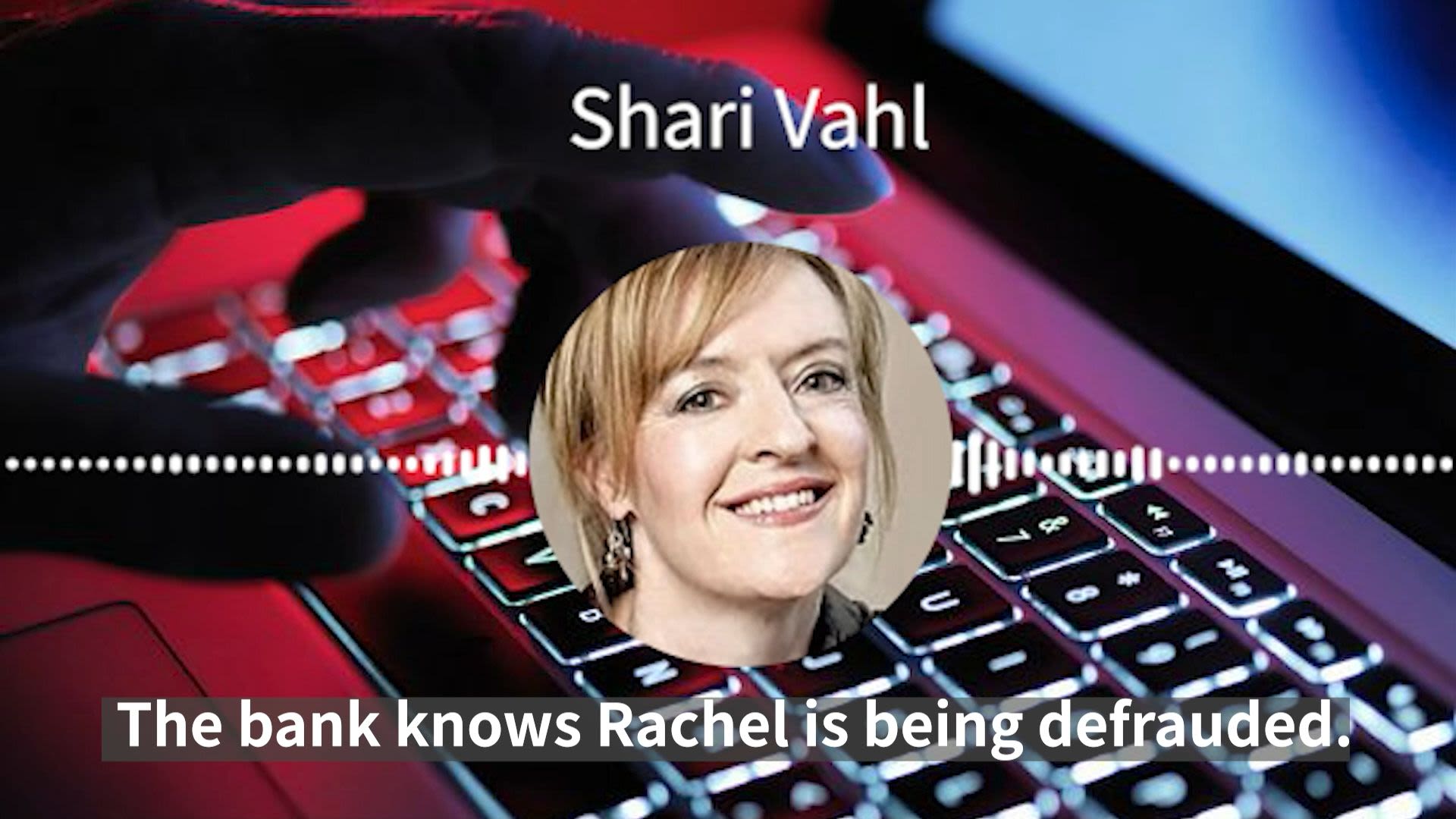
Shari Vahl, an investigative journalist on Rachel’s case, talked about the response of banks and police to her complaints.
‘Stupid’ and ‘gullible’ - from name calling to long-term mental health effects
Rachel said: “People around are calling me stupid and gullible, and I know I’m going to suffer from the fallout of this crime for a long time to come. I planned to commit suicide, but I’m determined to keep going.
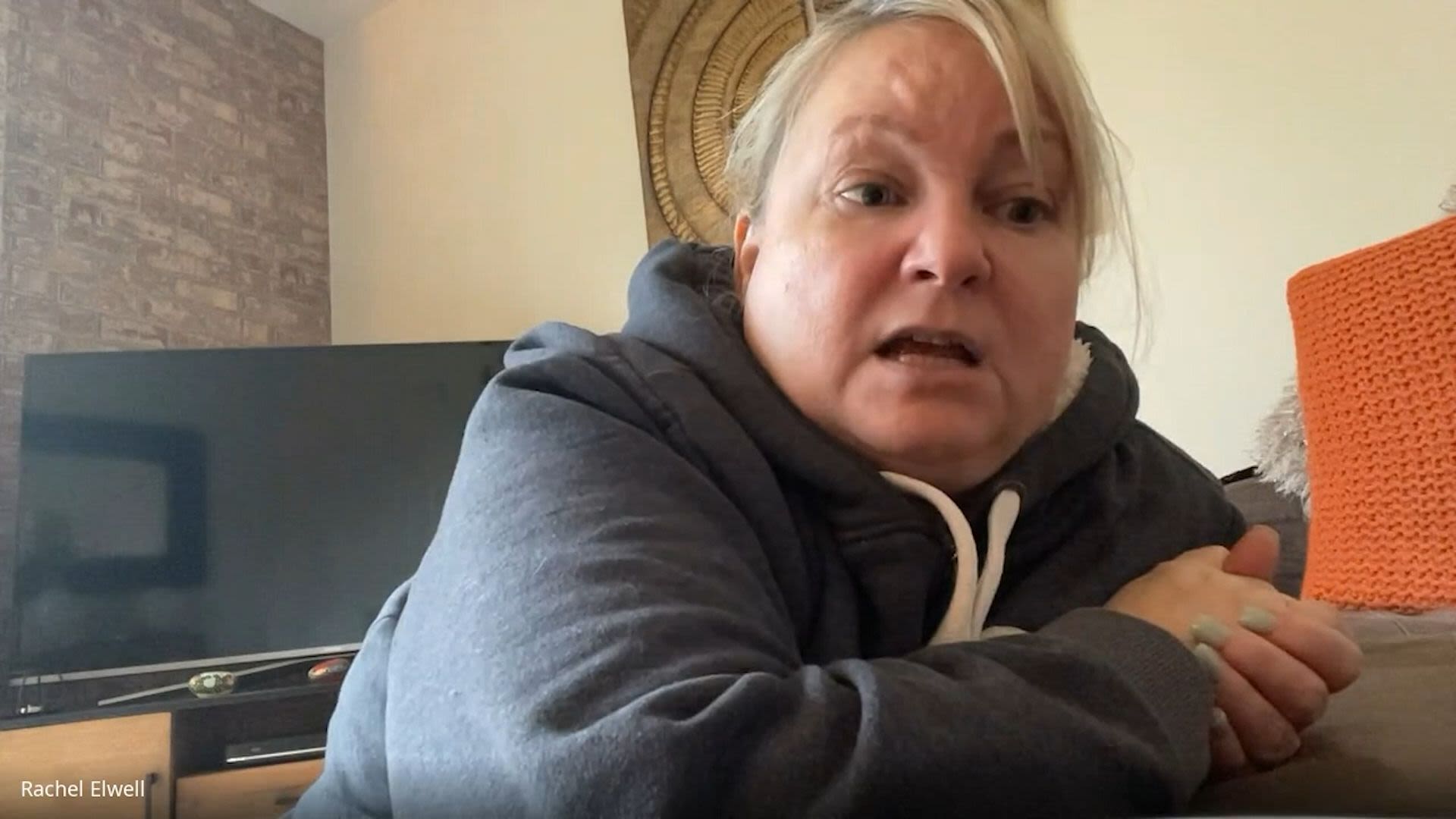
Rachel - “It's hard most days to even see a future.”
Rachel - “It's hard most days to even see a future.”
“There needs to be a lot more reliable institutions that will help victims through it, where they won’t be judged.”

All lies: ‘Bario’ relied on emotive language to manipulate Rachel.
All lies: ‘Bario’ relied on emotive language to manipulate Rachel.

All lies: ‘Bario’ relied on emotive language to manipulate Rachel.
All lies: ‘Bario’ relied on emotive language to manipulate Rachel.

All lies: ‘Bario’ relied on emotive language to manipulate Rachel.
All lies: ‘Bario’ relied on emotive language to manipulate Rachel.

All lies: ‘Bario’ refused to have video calls when Rachel became suspicious of his identity.
All lies: ‘Bario’ refused to have video calls when Rachel became suspicious of his identity.

All lies: ‘Bario’ refused to have video calls when Rachel became suspicious of his identity.
All lies: ‘Bario’ refused to have video calls when Rachel became suspicious of his identity.
Police/bank Impersonation Fraud - The criminal networks using our personal information against us
It’s a menace - Police/bank impersonators are targeting our pockets.
Police/bank impersonation scams often begin with someone pretending to be from the police, or the bank of a potential victim, phoning or texting someone with a convincing story that they need to transfer money to a ‘safe account’ to protect their funds or themselves.
Based on the newest figures released by UK Finance, these police/bank impersonation fraud cases tripled between 2020 and 2021, leading to a loss of £103.8m.
The journalist was scammed out of £50,000.
A year ago in March 2021, I lost £50,000 to impersonators - none of which was returned to me.
The scam began with a Chinese ‘police officer’ phoning me, accusing me of illegally selling my personal details for cash and saying there was a warrant for my arrest.
Over 10 days, a network of criminals bombarded me with ‘evidence’ that I was about to be thrown into prison back in China unless I proved I didn't need the money, by transferring a sufficient amount of money I had into a ‘secure account’ for the check. They exhausted me into surrender.
While in my state of panic, the bank HSBC called me to ask about the transactions, but I lied to them, completely brainwashed that I needed to clear my name or end up in prison.
After the bank blocked my last transfer, I eventually found online links, laying out the same routine and script I had been tricked with, and the same fake ‘arrest warrant’.
“Banks are leaving us in the lurch.”
Keyin Qin, a third-year student at the University of Southampton, had a similar experience as me, and feels more should be done to protect people.
Keyin, 19, said: “Banks are leaving us in the lurch. Their investigation into suspicious money transfers cannot just be asking questions. They have got to dig a bit deeper.”

Fake: Typical fake police ID used to scam victims
Fake: Typical fake police ID used to scam victims

Fake: ‘Arrest warrant’ used by criminals to scam Keyin
Fake: ‘Arrest warrant’ used by criminals to scam Keyin

Fake: ‘Financial Status’ document sent ‘as proof’ to Keyin
Fake: ‘Financial Status’ document sent ‘as proof’ to Keyin
How banks are working to protect customers from online romance, and police/bank impersonation fraud.
The Banking Protocol was put into place by UK Finance and National Trading Standards to protect those tricked or coerced into transferring large amounts of money online.
Branch staff are trained to spot the warning signs and question the customers about whether they have been approached by someone asking them to transfer money. The police are brought in if necessary to safeguard the victims.
Additionally, the Contingent Reimbursement Model (CRM) Code was put in place in 2019 to reimburse victims of Authorised Push Payment frauds (APP frauds), including online romance and police/bank impersonation scams.
Victims are hitting back at banks.
However, getting the money back is a lottery. Not all banks and building societies are signed up to this voluntary code, and fraud reimbursement rates vary widely.
A survey in 2022 by the Lending Standards Board, which oversees the CRM Code, shows 80% of the victims of APP frauds want to see better fraud prevention and reimbursement from the banks.
In response, The Financial Conduct Authority, a financial regulatory body in the UK, said: “We will put the onus on the banks to better detect and prevent scams.
“We are also setting out ways to make reimbursements mandatory, giving financial protection to those who need it.”
Police ‘unskilled’ to pursue fraudsters
But, worryingly for victims, statistics from the National Crime Agency 2021 illustrated only a quarter of cases reported to Action Fraud were passed on to local police forces for action by the National Fraud Intelligence Bureau (NFIB). Of those, fewer than 4% of cases resulted in charges being brought. My own case is still yet to be reviewed by the NFIB - a year after I was scammed.
A Police Foundation Survey in 2022 revealed 74% of police officers felt they did not have the time or were unskilled in dealing with fraud cases.
In response, the City of London Police said: “We are aiming to replace Action Fraud with a new state-of-the-art cybercrime reporting and analysis service.
“The underreported, international nature of many frauds makes it incredibly difficult to bring the perpetrators to justice. However, the handling of fraud is being prioritised and is under more scrutiny than ever before.”
No charges within a year on;
— Yvette Cooper (@YvetteCooperMP) May 11, 2022
- 93% of reported robberies
- 95% of violent offences
- 96% of thefts
- 97% of sex offences
- 98% of reported rapes
- over 99% of fraud
Prosecutions, cautions & community penalties plummeted since 2015.
The Tories are weak on crime & it’s causes pic.twitter.com/NzgLHnYr7B
Looking towards the future
In February 2022, Kwasi Kwarteng, the Business Secretary, stated crime across the country had fallen by 14% in two years.
But the figures failed to include fraud and scams - crimes that The Office for National Statistics estimated were affecting 14,000 people a day.
Yvette Cooper, the Shadow Home Secretary, said: “Suggesting fraud is a lesser crime is shamefully out of touch and disrespectful to victims across the country.
“Ensuring victims have access to an independent support service is vital to help them cope and recover. These services should be a key part of all government policies aimed at supporting victims of fraud.
“We need action now.”
The Business Secretary has been approached for a comment.
Victim Support - where to turn
Victims of all impersonation frauds are encouraged to contact their banks to notify them of any scams and recover financial losses. Additionally, Action Fraud, Victim Support or CrimeStoppers UK will offer support and advice.
Keeping a high level of security across all social media accounts is vital. If using dating apps, it is advisable to stay on their messaging services for as long as possible rather than switching to private messaging platforms.
