
Will history repeat itself?
Divided by partition. United by racism.
Tested by Reform
In 1947, Britain drew a line through Punjab in five weeks. Cyril Radcliffe, the lawyer tasked with dividing the subcontinent, had never been to India before. The border he drew split villages, farms, families and sacred sites in half. Within weeks, one of the largest forced migrations in human history had begun. Up to two million people were killed. Fifteen million were displaced. The violence that tore through communities did not emerge from nowhere. It was the direct consequence of a border drawn in haste by a departing empire that had ruled India for two centuries, drawing a line through Punjab on the way out.
Indian refugees in Punjab during the 1947 Partition, 1947. Film: Frank Outram Hodgkinson. Courtesy of The Bharat Archives via YouTube
When those same families arrived in West London in the 1960s, many of them carried the wounds of what Britain had left behind. The racism they encountered here was not separate from that history. It was a continuation of it.
But before all of that — before the border, before the violence — these communities had lived together. Sadiya Ahmed, whose family came to Britain from Wazirabad in Pakistan in the early 1960s, describes what existed before Partition tore it apart. "Before Partition, Muslims, Sikhs and Hindus lived very harmoniously, and it was never an issue," she said. "It wasn't them. But circumstances, politics, and the world around them changed. That is what facilitated what happened."
“Before Partition, Muslims, Sikhs, and Hindus lived very harmoniously, and it was never an issue. It wasn’t them. But circumstances, politics, and the world around them changed. That is what facilitated what happened”
The racism they faced on British streets made no distinction between communities. They were told at work that they smelled. Their children were let out of school early so they would not be attacked walking home. In 1976, an 18-year-old Sikh boy named Gurdip Singh Chaggar was stabbed to death in Southall. A police officer standing over his body said it was "just Indian blood."
The National Front marched through the same streets calling for deportation. For many of these families, the message was clear — they were not wanted here.
What happened next was not inevitable. It was a choice.
Indian refugees in Punjab during the 1947 Partition. Courtesy of British Pathé via YouTube
A family portrait from Punjab, believed to be from the 1940s. Provided by the Rattan family, used with permission
A family portrait from Punjab, believed to be from the 1940s. Provided by the Rattan family, used with permission
'We won't back off'
Sarjit Kaur Rattan — known to her family and community as Biji, the Punjabi term of endearment for a grandmother and elder — is 88 years old. She came to Britain in the 1960s with her husband Avtar Singh Rattan. She has lived on the same streets ever since.
Sarjit Kaur Rattan as a young woman in Punjab, with one of her children. Provided by the Rattan family, used with permission
Sarjit Kaur Rattan as a young woman in Punjab, with one of her children. Provided by the Rattan family, used with permission
Sarjit Kaur Rattan, 88, known as Biji, West London, May 2026. Credit: Rashmi Varma
Biji describes what it felt like to arrive. "Dil nai lagda si — we didn't feel in our hearts we belonged," she said.
Her family's roots were in Punjab. What she found here was something nobody had prepared her for. At work, the hostility was immediate. "When we went to work, they would say, 'Smelly, smelly — back off,'" she said. "If we hung up our coats, they would move them to the back and say, 'These people smell.' They would fight with us."
She did not retreat. "One time, we said, 'We won't back off,'" she said. "We told them: 'You ruled India for hundreds of years — that is why we are here now.' Then we started pushing their coats to the back too."
"One time, we said, 'We won't back off.' We told them: 'You ruled India for hundreds of years — that is why we are here now.' Then we started pushing their coats to the back too"
Britain had controlled India for nearly 200 years. It arrived as traders and left as rulers. The families standing in front of her in that factory were part of that history. She knew it. And she made sure they did too.
From 1965, South Asian and Black children in Southall were bused out of their local schools under a government policy called the Education of Immigrant Circular 7/65. The Department of Education ruled that no school should have more than 30 percent immigrant children. Once that quota was reached, children were sent to predominantly white schools across the Borough of Ealing — sometimes as far as ten miles away.
The policy was ruled legally discriminatory in 1975 and ended in Southall in 1981 following a campaign by local residents and the Indian Workers Association.
But the bus did something its architects had not intended. South Asian children of different faiths, placed on the same route, found they had more in common than they had been told.
Bussing in Southall, 1976. Courtesy of British Pathé via YouTube
Biji was not alone. A decade later, the violence had not stopped. It had moved from the workplace to the front door.
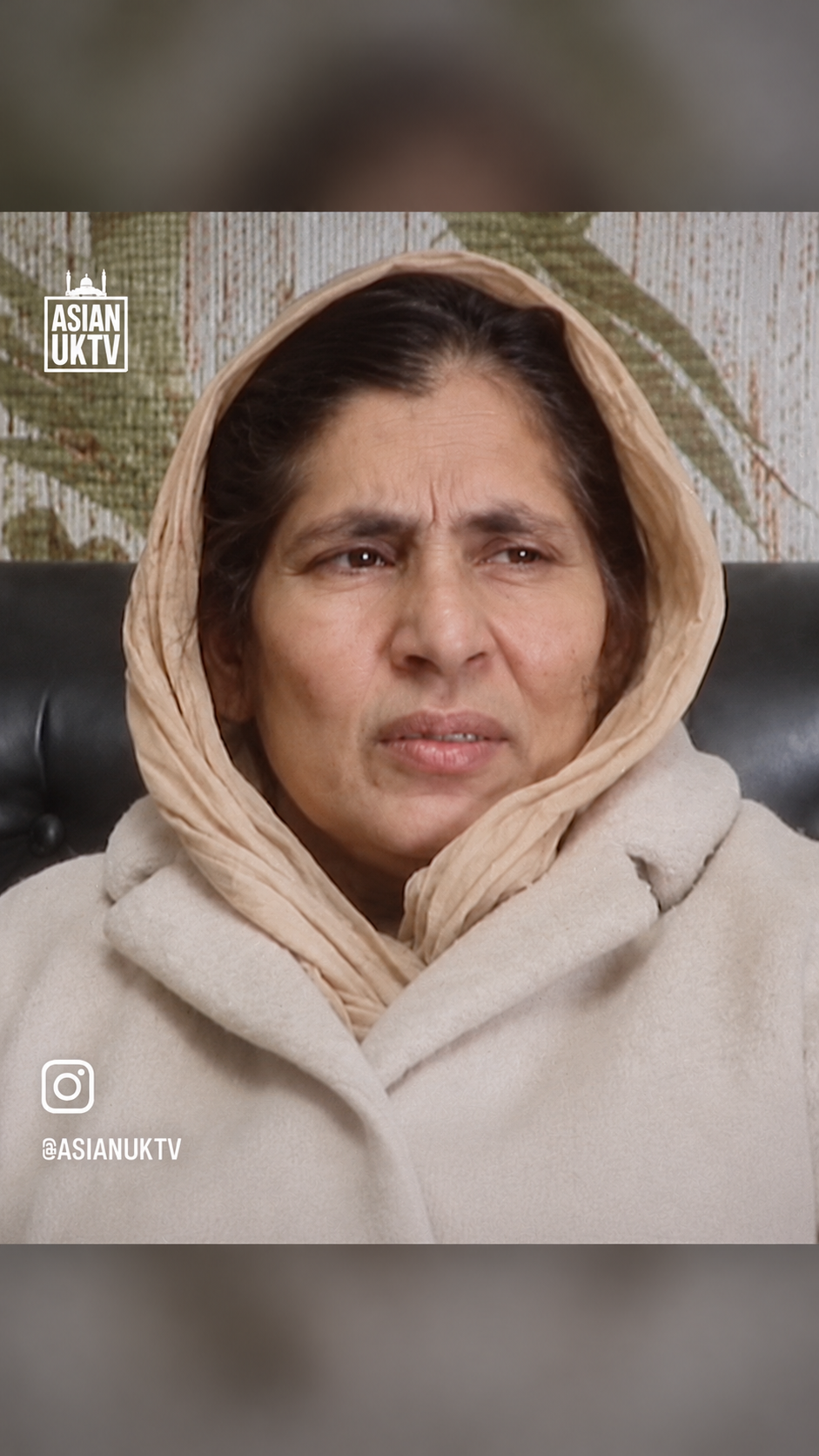
A South Asian mother speaks about her experience of racism in East London, 1985. From an ITV documentary capturing the reality South Asian families faced in the 1980s. Source: @asianuktv on Instagram. Posted for journalistic and awareness purposes. Used under UK fair dealing provisions for journalism
A South Asian mother speaks about her experience of racism in East London, 1985. From an ITV documentary capturing the reality South Asian families faced in the 1980s. Source: @asianuktv on Instagram. Posted for journalistic and awareness purposes. Used under UK fair dealing provisions for journalism
In a 1985 ITV documentary, an unnamed South Asian mother in East London described what her family was living through. "What can we do, where can we go?" she said. "The youth trouble us all the time. The police said to them, 'You catch them and then phone us.' But how can we catch them?"
Her windows had been smashed. Her family had narrowly escaped injury. The police told her to catch the attackers herself. This was 1985.
Sadiya Ahmed, Founder and Chair of the Partition Memorial Trust, was six years old when she faced the same racism on her own street in London. She remembers the night everything changed. "There was a National Front meeting in a pub across the road," she said. "And literally overnight, the whole mood of where we lived changed completely. The next day, our white neighbours sprayed stuff on our door. They broke milk bottles and cut our phone lines. We were chased by dogs. And this was by people who were our friends and neighbours — people who, the day before, either we were at their house or they were at ours, watching Danger Mouse together. This happened to me as a six-year-old and lasted for about six or seven weeks. We lived in terror of friends and neighbours."
“There was a National Front meeting in a pub across the road, and literally overnight, the whole mood of where we lived changed completely. The next day, our white neighbours sprayed stuff on our door. They broke milk bottles and cut our phone lines. We were chased by dogs. And this was by people who were our friends and neighbours — people who, the day before, either we were at their house or they were at ours, watching Danger Mouse together. This happened to me as a six-year-old and lasted for about six or seven weeks. We lived in terror of friends and neighbours”
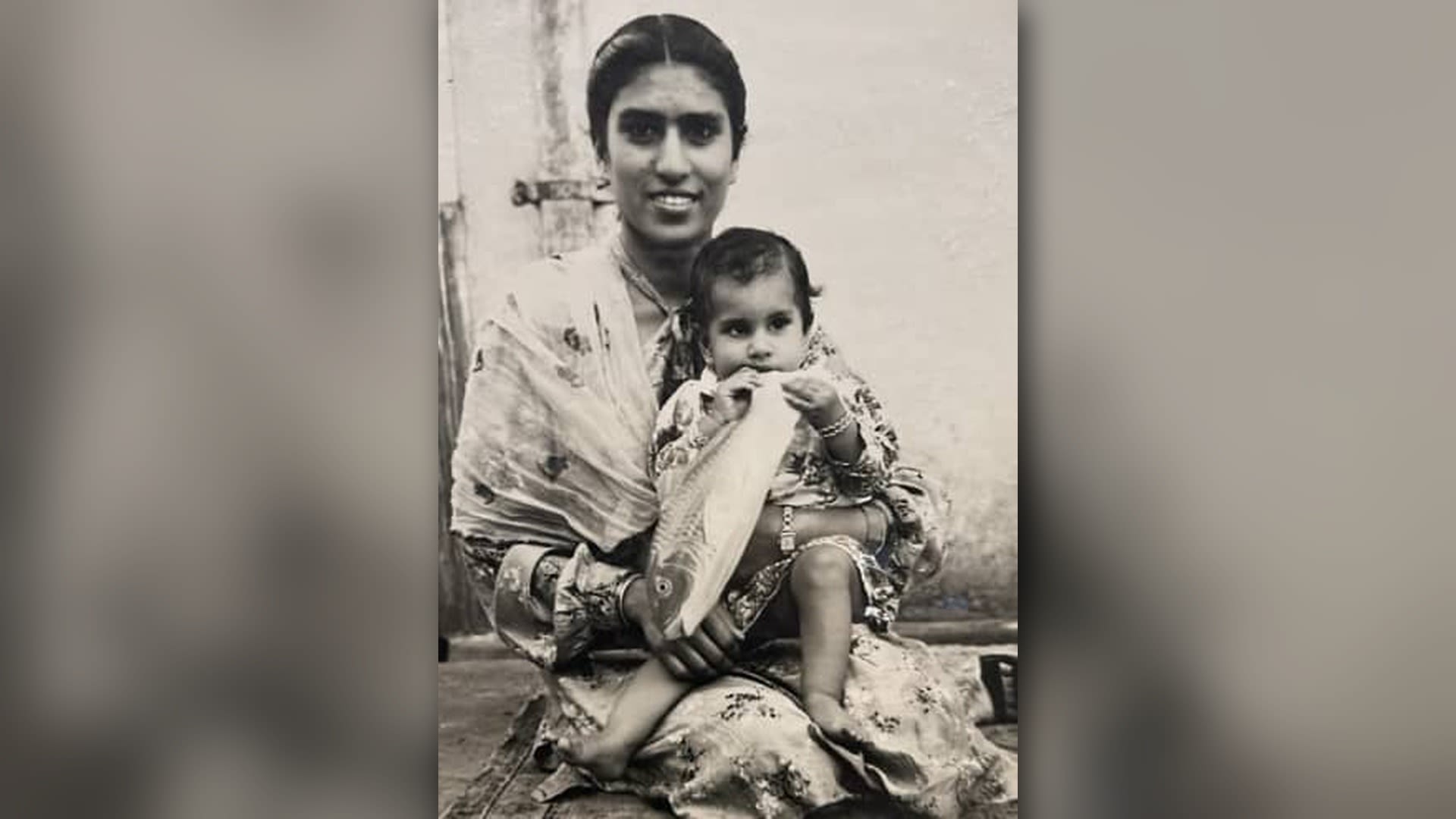
Sadiya Ahmed as a young child with her mother in Britain, 1976 (left). Sadiya Ahmed, centre, with her siblings in Britain, 1981 — around the time of the National Front incident (right). Provided by Sadiya Ahmed, used with permission.
Sadiya Ahmed as a young child with her mother in Britain, 1976 (left). Sadiya Ahmed, centre, with her siblings in Britain, 1981 — around the time of the National Front incident (right). Provided by Sadiya Ahmed, used with permission.
Then it stopped. And the neighbours were, as Sadiya puts it, friends again.
By 1997 the pattern had not changed. Bengali Backlash was a documentary by Arun Kumar that followed young British Bangladeshi men from Camden — born and raised here, dealing with racism and violence that rarely made the news.
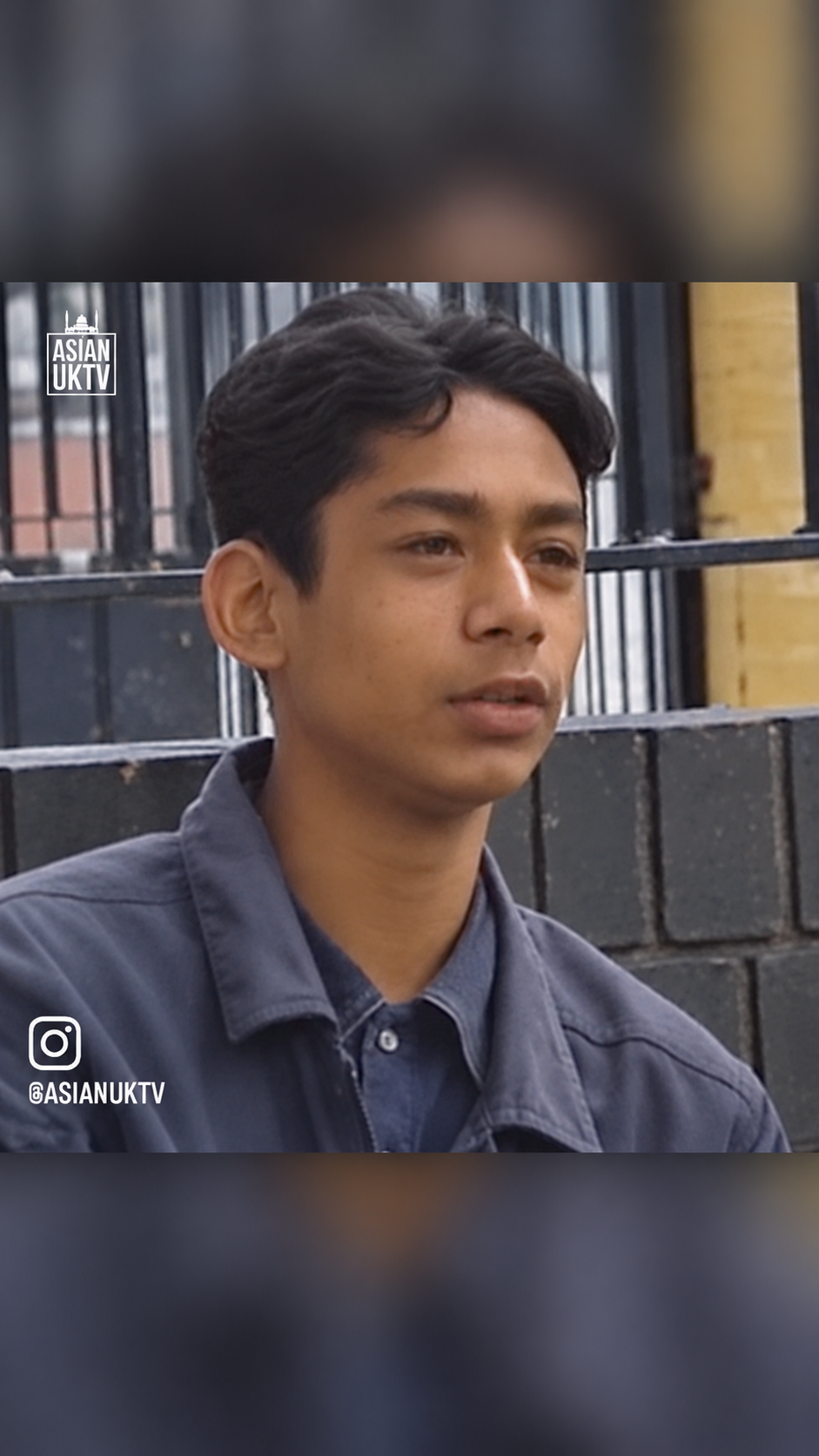
Bengali Backlash, 1997. A documentary by Arun Kumar following young British Bangladeshi men in London. Source: @asianuktv on Instagram. Used for journalistic purposes under UK fair dealing provisions
Bengali Backlash, 1997. A documentary by Arun Kumar following young British Bangladeshi men in London. Source: @asianuktv on Instagram. Used for journalistic purposes under UK fair dealing provisions
But something else had not faded. The community these families had built across religious lines was still standing.
Service and solidarity
At the heart of Sikh faith is the principle of seva — selfless service — and langar, the free communal kitchen that feeds anyone who comes, regardless of faith or background. Both are practised every day in gurdwaras across West London.
According to the 2021 Census, London is home to 1.3 million Muslims, 453,000 Hindus and 144,000 Sikhs — the largest concentrations of all three communities in Britain. Many of their families arrived from the same divided Punjab. Research has found that Partition trauma can pass down through generations, showing up as household habits, silences and a scarcity mindset.
But something else passed down too — the solidarity it forced these communities to build. The instinct to help whoever comes to your door.
Avtar Singh Rattan with the children. Provided by the Rattan family, used with permission
Avtar Singh Rattan with the children. Provided by the Rattan family, used with permission
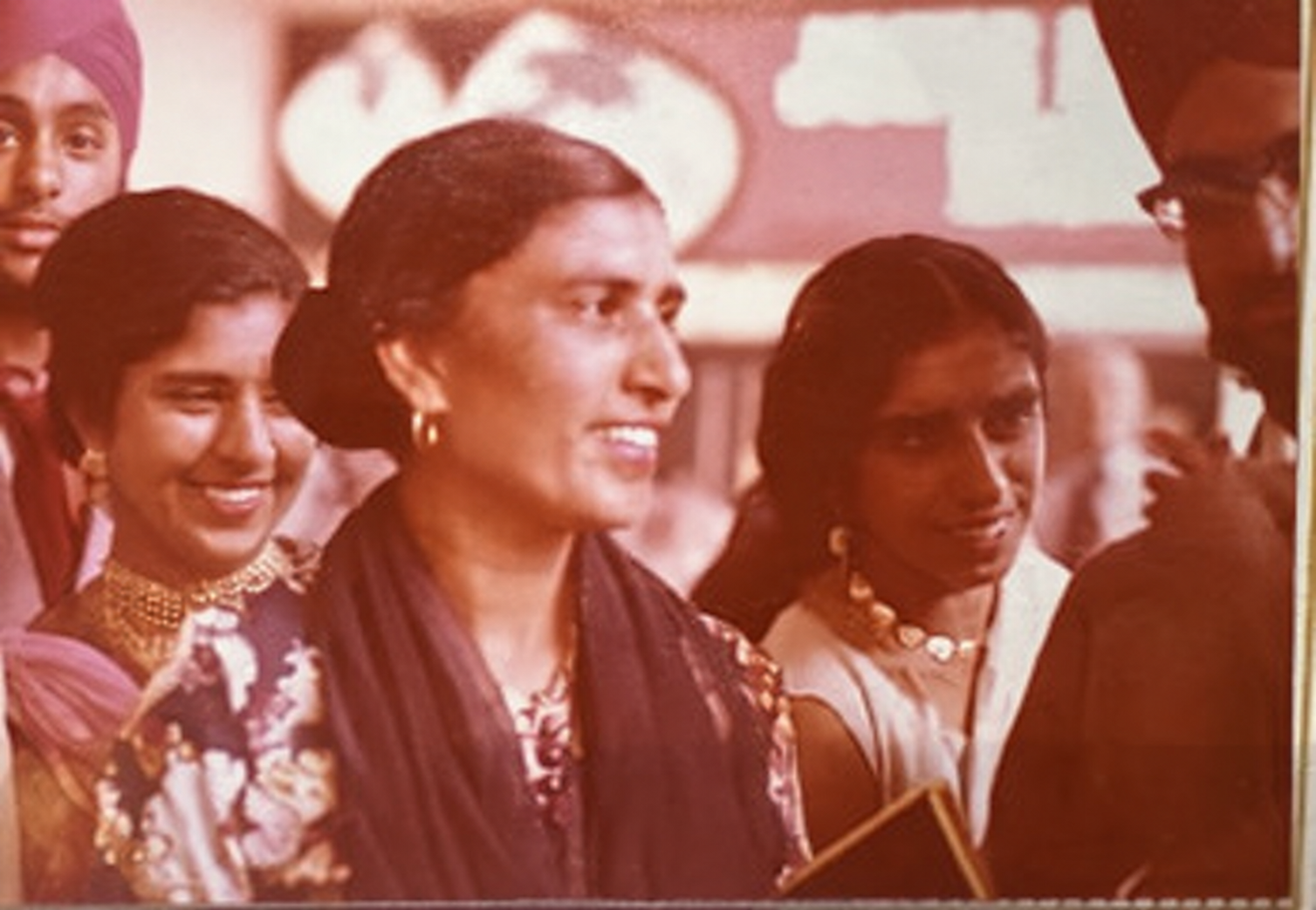
Sarjit Kaur Rattan recalls the racist abuse she faced in the years after arriving in Britain. Interviewed at home in West London, May 2026. Credit: Rashmi Varma
Sarjit Kaur Rattan recalls the racist abuse she faced in the years after arriving in Britain. Interviewed at home in West London, May 2026. Credit: Rashmi Varma
'But among ourselves, we had a lot of love'
The Southall of the 1970s produced some of the most significant anti-racist organising in British history. Suresh Grover, Lead National Coordinator of The Monitoring Group, arrived in Southall in August 1975, two years after being stabbed by skinheads in Lancashire. It was, he says, the first place he could breathe. "For me, Southall was almost like a refuge," he said. "Where not a large section, but a significant section of South Asian communities — where you didn't have to look behind your shoulder to see whether somebody was going to abuse you."
He describes what life looked like on the ground between communities. "Amongst my generation, we didn't see ourselves as Indian, Pakistani, Bangladeshi," he said. "We reacted to our lived experience of being racially abused in schools."
The Indian Workers Association — one of the most progressive organisations in Southall at the time — consciously tried to build bridges between communities. When they bought the Dominion Centre and cinema, their first business deal was with a Pakistani snack seller.
The solidarity did not stop in the 1970s. Decades later, during lockdown, Biji's road did what it had always done. "There is love amongst all of us," she said. "On our road we have Pakistani people, white people, Black people — everyone. If one person gets sick, we all gather together to help each other. During lockdown, a white gentleman put a letter in our mailbox saying, 'If you need anything at all, make sure you don't send Mum outside. We will take care of it.'"
"There is love amongst all of us. On our road we have Pakistani people, white people, Black people — everyone. If one person gets sick, we all gather together to help each other.
Sarjit Kaur Rattan on how the community looked after its own during the Covid years. Interviewed at home in West London, May 2026. Credit: Rashmi Varma
Sarjit Kaur Rattan on how the community looked after its own during the Covid years. Interviewed at home in West London, May 2026. Credit: Rashmi Varma
'It could have been any one of us'
On 4 June 1976, Gurdip Singh Chaggar, an 18-year-old Sikh boy, was stabbed to death on the streets of Southall. Grover was standing on the pavement when he found the pool of blood. He describes what happened. "I saw the pool of blood and I went to the police officer," he said. "I said, 'Officer, what happened here? There's a pool of blood.' He just said to me, 'This is Indian blood — just go away.' And the way he said it was kind of — this is dirty blood, you need to get away."
"I saw the pool of blood and I went to the police officer. I said, 'Officer, what happened here? There's a pool of blood.' He just said to me, 'This is Indian blood — just go away.' And the way he said it was kind of — this is dirty blood, you need to get away"
He and a friend stayed. "Out of respect for Gurdip — we hadn't met Gurdip, but it could be anybody," he said. "It could be us. I just got a piece of cloth and put it on the blood and put some stones around it, put some flowers on it."
Word spread quickly. "By two o'clock there must have been five, eight hundred young people," he said. "They just kept coming. People started talking about their own kind of experience."
The community had reached a turning point. "We had had enough," he said. "There was no way we were going to tolerate another death. One death was too many for us."
The Southall Youth Movement was formed on those streets in the days that followed — made up of Sikh, Hindu and Muslim men. It spread to Bradford, Birmingham, Leeds, Sheffield, Leicester and East London within weeks. Suresh describes the mindset of that generation. "We were never docile," he said. "We would never start fights. But we had had enough. We saw ourselves as British — born or raised in this country, very proud of our heritage. And we were not going to tolerate being treated as second class citizens."
The generational divide, Suresh says, was never about anger. "The difference between us and the older generation isn't about militancy," he said. "It's the outlook."
Twenty-three years after Gurdip Singh Chaggar's murder, Suresh Grover was still standing on the same streets — this time responding to the far right nail bombings that targeted Brixton, Brick Lane and Soho in April 1999.
Suresh Grover, Lead National Coordinator of The Monitoring Group, speaking outside the Monitoring Group offices in Southall following the nail bombings in London, April 1999. Source: Associated Press via YouTube
Suresh Grover, Lead National Coordinator of The Monitoring Group, speaking outside the Monitoring Group offices in Southall following the nail bombings in London, April 1999. Source: Associated Press via YouTube
Key events: from Partition to the present day.
"The same words, fifty years later"
This month, Reform UK won over 1,400 council seats across England. Its leader Nigel Farage has called Muslims a "fifth column", described Eid celebrations in Trafalgar Square as an attempt to "overtake, intimidate and dominate our way of life", and called for mass Muslim prayer events to be banned.
Six weeks before those comments, the same square had hosted Vaisakhi on the Square — a Sikh celebration attended by thousands of Londoners. It was not the first time that community had been told it did not belong there.
For Biji, the shift between then and now is stark. "Now there is a zameen asmaan ka farak — a difference like earth and sky between then and now," she said. "But back then, they hated us a lot."
For Sadiya Ahmed, the echoes are unmistakable. "It's very reminiscent of 47 and the time before that," she said. "I'm not saying it's the same, but I'm saying it's very similar. And we know what the ramifications of that were. We're being manipulated again by the same divide and rule, centuries old tactics. And if we fall for it, we're just gonna be fools for letting it happen again."
"It's very reminiscent of 47 and the time before that. I'm not saying it's the same, but I'm saying it's very similar. And we know what the ramifications of that were. We're being manipulated again by the same divide and rule, centuries old tactics. And if we fall for it, we're just gonna be fools for letting it happen again"
She adds that the people who want to share their stories now are driven by a clear purpose. "Everyone who wants to share their partition story wants to highlight — this is what happened to us," she said. "We don't want you to make the same mistakes. We don't want you to be in the same situation that we were."
Suresh Grover, has spent fifty years fighting racism on these streets. He draws a clear distinction between the National Front and Reform UK. "The National Front never had a single member of Parliament ever elected," he said. "Whereas Reform has normalised racism against migrants, which didn't exist in the 1970s. It's not about people taking their jobs. It's a global, far right, extreme right ideology — now supported by the most powerful president in the United States."
He has watched communities begin to respond differently since the far right riots. "I've seen the difference after the far right riots," he said. "Where people who used to attack one community are beginning to think, actually, we need to link up. How do we do it?"
He is concerned about the role of social media. Most information now comes from social media, he says, a pivotal point of misinformation that has gone unchallenged, and people are no longer interested in actual evidence. The people who run the platforms, people like Musk, actually support far right politics globally, he believes.
He is clear about what he believes is coming. "I think Farage's Reform party will become the largest political party at the next election," he said. "Our estimate is that they will get a significant increase from eight MPs to about 150 to 200 MPs. And then the election after that is when they will win. So we have seven years to resist that. That is how we are thinking."
"I think we can be very confident that things will get worse," he said. "And we need to be prepared to defend ourselves, like we did in the 1970s."
Nigel Farage calls for ban on mass Muslim prayer events following Trafalgar Square Ramadan gathering, March 2026. Source: YouTube
What the next generation inherits
Sadiya Ahmed believes the answer lies in understanding history. "The knowledge of our history is so very important to understanding who we are as people and how we have been shaped as communities," she said.
In cities across Britain, the organising has already begun. Suresh Grover says communities are building resilience in practical ways. "There is an explosion of self-defence classes across communities — in Luton, Newcastle, Sunderland, Hartlepool," he said. "People are finding they need to build some resilience."
Connections are being made internationally. "We've met the organisers of Mamdani's campaign in New York — and how he managed to build that coalition," he said. "People have gone to the US and spoken to people, people have come here and spoken to us. This kind of cross fertilisation is taking place."
The goal, he says, is broader than the South Asian community alone. "We need to create solidarity between us and the white working class," he said. "We need to take active steps to show why it works across people — that we have common aims, common values, and common visions."
And despite everything, he sees reason for cautious hope. "The negative thing about the far right is that it's growing," he said. "The positive thing is it's bringing people together for the first time. As a reaction."
"The negative thing about the far right is that it's growing. The positive thing is it's bringing people together for the first time. As a reaction."
Sarjit Kaur Rattan is still here. In the same city, in the same borough, in the same country that told her she did not belong. She has five children, sixteen grandchildren and fifteen great-grandchildren born in Britain. Through all of them, she has passed down something no border could divide — the instinct to help whoever comes to your door, regardless of faith, regardless of where they came from.
On the same streets where the National Front once marched, Reform UK has just won its biggest electoral breakthrough in British history.
She has seen this before. Her children have heard the stories. And on her road, where Pakistani neighbours, white neighbours and Black neighbours still check on each other, the answer has always been the same — you stick together.
Sarjit Kaur Rattan, 88, known as Biji, West London, May 2026. Credit: Rashmi Varma
"Anyone who needs help — it does not matter what faith they are. Do not say, 'He is Muslim,' or 'He is Black,' or 'He is white,' or 'He is not Sikh.' Whoever it is, help them"
