
Where have all the greenfinches gone?
The once common greenfinch has recently been placed on the red-list of bird species of greatest conservation concern, and other common birds in Britain are in trouble - find out which ones and why
There are over 240 different bird species resident in Britain or which spend the summer or winter here. Populations of all our native, breeding and wintering species are closely monitored and every 5 years or so the British Trust for Ornithology (BTO). alongside other conservation organisations assesses how our birds are doing and publishes that assessment as Birds of Conservation Concern (BOCC). The 5th Edition of BOCC (BOCC 5) was published in 2021.
The assessment assigns each species to a green, amber or red rating depending on the degree of concern there is about the population of those birds. This rating helps us decide where to focus conservation efforts.
The red list now contains 70 species with the swift, house martin and greenfinch all being added to the list. Of these the greenfinch went straight from the green to the red list.
What is happening to our commonest birds?
The trends for our 20 commonest garden birds according to the Great British Garden Birdwatch 2021 are shown in the chart.
Goldfinches have nearly doubled in abundance and Great Spotted Woodpeckers and Jackdaws are now much more common than they used to be.
Blackbirds, blue tits, robins and house sparrows are our most common and widespread garden birds.
Despite their prevalence, house sparrows have fallen by 20% and are red-listed, as are starlings which have fallen by by 60% and greenfinches by 70%.
How does red-listing work?
If the house sparrow or starling, for example, are so common, why are they red-listed? The rating process is quite complicated and uses information from a wide range of sources. It involves assessing:
Overall population declines over time and for breeding birds
Reduction in range - whether birds are disappearing from usual haunts
How rare a species is
International importance of the British bird population
The severity of any decline determines whether a species is amber or red-listed. Both the sparrow and startling are red-listed because their breeding population has declined by more 50% over the last 25 years.

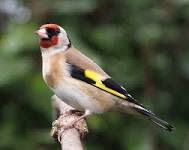
Goldfinch population has nearly doubled since 1995
Goldfinch population has nearly doubled since 1995

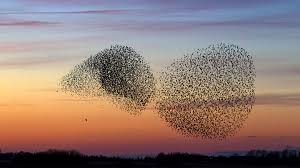
Despite gathering in large flocks like this murmuration, the starling is red-listed
Despite gathering in large flocks like this murmuration, the starling is red-listed

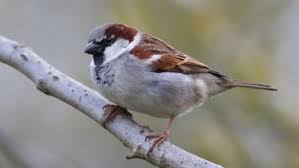
The house sparrow is the most abundant garden bird but is red-listed
The house sparrow is the most abundant garden bird but is red-listed

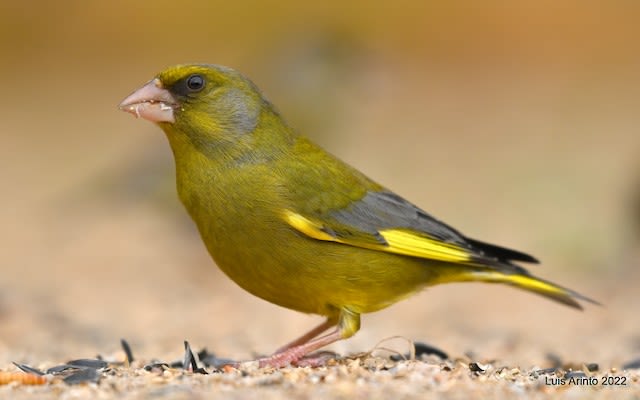
The greenfinch has gone from being green-listed in 2015 to red-listed in 2021
The greenfinch has gone from being green-listed in 2015 to red-listed in 2021
Where have all the greenfinches gone?
According to the BTO the breeding population of greenfinches collapsed in the last few years and has reduced by 90%.
There are a number of reasons why this may have happened but research suggests that the principal reason is a parasitic disease called Trichomonosis.
The spread of trichomonosis began in 2005 and had a profound and ongoing impact on greenfinch - and to a lesser extent -chaffinch and dunnock - breeding populations. It is thought to have spread from pigeons to greenfinches via garden bird feeders.
After years of declines greenfinches may be showing signs of recovery. The Big Garden Birdwatch results for 2022 showed a small increase in the number of birds and gardens where greenfinches were seen.
Winners and losers
Whilst some common birds are declining, others seem to be doing well. Scroll to find out what is happening to each species.
JACKDAW: Increasing. Green-listed. Adaptable to urbanisation and use of bird feeders
GOLDFINCH: Increasing. Green-listed. Probably increased use of bird feeders and less competition from other finches
GREAT SPOTTED WOODPECKER: Increasing. Green-listed. Probable increased used of bird feeders and loss of competition for nest sites due to decline in starlings
WREN: Increasing. Amber-listed because British population > 20% of European breeding population. Possibly benefiting from warming temperatures which improve winter survival
WOODPIGEON: Increasing. Amber-listed due to British population forming > 20% of European breeding population. Adaptable - probably increasing due to urban feeding, oilseed rape growing and increased winter survival
GREENFINCH: Declining. Red-listed because of large declines in breeding population mainly due to trichomonosis
CHAFFINCH: Declining. Green-listed. Declines probably due to trichomonosis
STARLING: Declining. Red-listed. Trend thought to be due to changes in farming practice reducing food availability
What can we do about it?
Farmland bird species have suffered more than woodland species and specialists more than generalists. New government plans for farming and land management include incentives for improved habitat management, growing more trees and hedgerows and winter feeding schemes.
Household bird feeding remains valuable but it is important to keep bird feeders clean to avoid ongoing spread of infection.
 Built with Shorthand
This is only a preview. Start publishing!
Enquire now
This is only a preview.
Start publishing!
Subscribe now to begin publishing your Shorthand stories. All plans offer flexible hosting options, best-practice training & online support.
Enquire nowAs used by
- BBC
- Dow Jones
- ADWEEK
- Sky News
- Honda
- Save The Children
- World Health Organisation
- University of Houston
- RELX