

How gaming communities and evolving roles in video games empower women in gaming careers
The stereotypical concept of 'gamer girl'
Over time, the traditional stereotypes against women in gaming communities was extremely prominent. The main root of this issue was due to the fact that video games were advertised solely for boys and genres such as horror, sports, first player shooter games (fps) were popular amongst them.
The 80’s are long gone, and games have become popular for both females and males, but gender stereotypes still linger. There is still a lot of sexualised and objectified female representation, these characters in video games tend to have unrealistic ‘barbie-like’ body proportions with exaggerated chest-size, extremely long legs, or a disproportionately small waist, and revealing clothes. They are vastly underrepresented and have very limited narratives. They’re depicted in video games as victims or damsels in distress. They have insignificant roles as secondary characters and no ability to actively participate in games – requiring a male character to save them.
The experience of female gamers in online gaming and gaming communities are characterised by a lack of social-emotional support as well as prevalent general harassment and sexual harassment. The large amount of stereotypes associated with female gamers and the lack of understanding from others towards women with video games as a hobby, lead to the unwillingness of women to self-identify as gamers. Gender stereotypes, specifically, traits of male gamers being traditionally associated with gamer stereotypes cause the exclusion of female gamers and feminine traits from fair and normal treatment in the gaming community.
The problems...
In November 2018, the video game ‘Fortnite’ had 200 million players around the world and by May 2020 it increased beyond 350 million players. However, no matter how popular video games are, they are still stigmatised. Most video games seem to be created from men’s point of view, for men and by men. The lack of equality in video games creative development has a clear impact on the content. The absence of feminine representation throughout the creative process leads to the creation of negative and stereotypical female characters.
One of the best examples is Lara Croft, the heroine of Tomb Raider in 1996. Video game content suffers from a blatant lack of perspective and often falls into male gazing, the male gaze is a concept introduced for the first time in 1975 by Laura Mulvey. It’s the way a masculine man’s vision influences the content of a media and transforms it into an object of desire. Women are therefore often sexualised and considered as accessories.

Grand Theft Auto, a series of action-adventure games created by David Jones and Mike Dailly.
Grand Theft Auto, a series of action-adventure games created by David Jones and Mike Dailly.

Lara Croft, the main female character in the Tomb Raider franchise
Lara Croft, the main female character in the Tomb Raider franchise
Reddit vents...
Perceptions of female gamers within the gaming community
In the dynamic world of gaming, a notable shift is taking place – a surge in the number of female gamers. Far from the traditional image of a predominantly male community, the gaming landscape is evolving.
A significant factor contributing to the surge in female gamers is the industry’s shift towards storytelling, inclusive narratives, and creativity. Games are no longer so focused on violence and intense competition. One notable shift is the introduction of more varied and inclusive in-game characters, the importance of representation is recognised, and this ensures that players from all backgrounds can immerse themselves in the virtual worlds they explore.
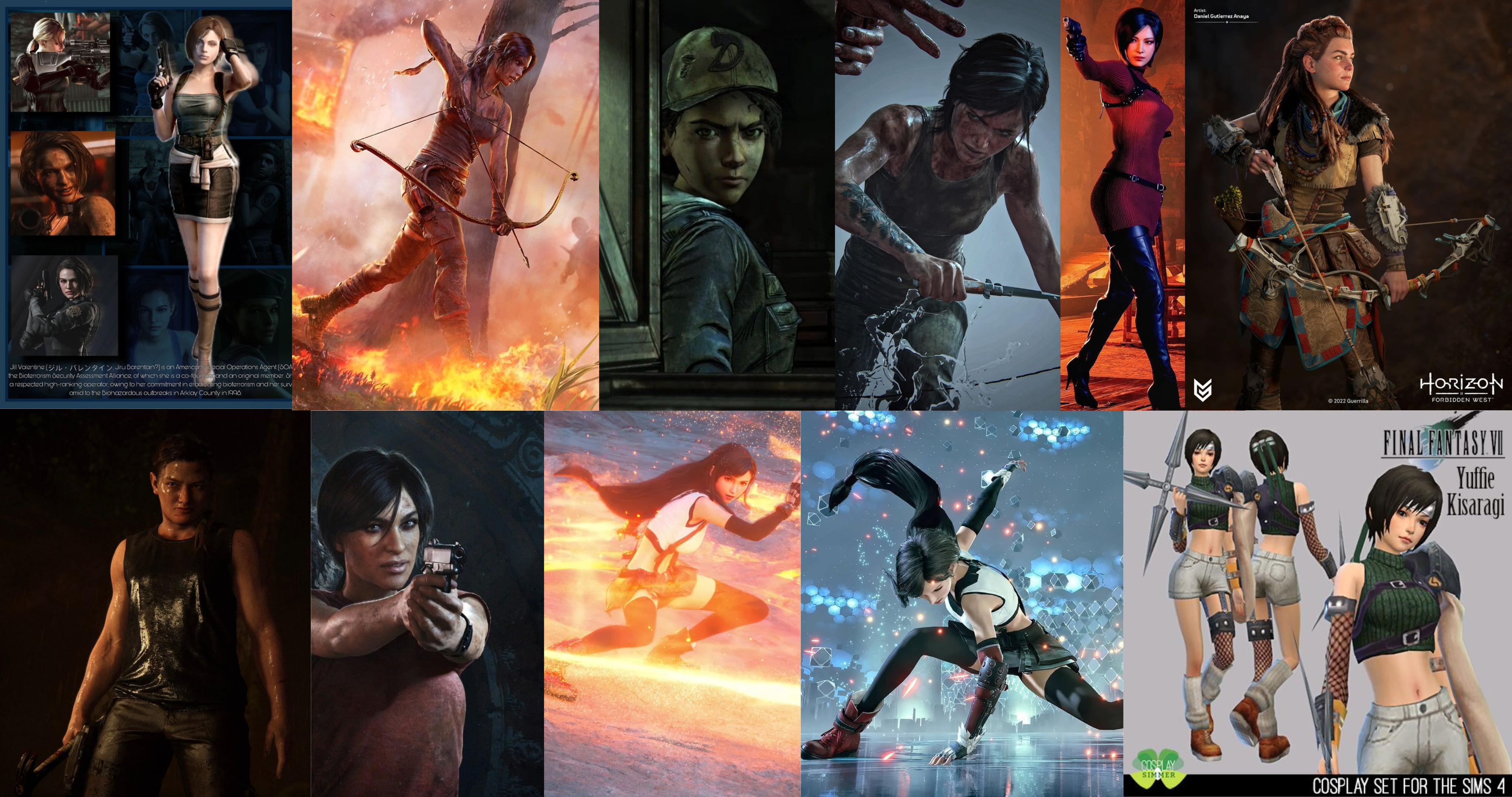
One of the most persistent stereotypes about female gamers is that they’re quite rare in the gaming world, however, that’s not the case. There are many international women out there who play video games, and most of them also stream across different types of social media platforms. ‘Strange Rebel Gaming’ is a popular channel on YouTube with more than 213k subscribers, she creates high quality gaming content, leaves in-depth reviews, game news discussions and vlogs. She was also the voice actor for one of the most popular games within the gaming community; ‘Final Fantasy VII’. She voices Aerith Gainsborough; a main, playable character, capable of conjuring powerful magical abilities. Her role is one of the biggest in the game and is adored by many gamers.
Beshayer from Qatar, talks about the misconceptions regarding women within the gaming community
The survey found 27% of female players are excluded from games because of their gender, compared to 14% of male players.
And 31% of female gamers don’t reveal their gender identity while playing online multiplayer games.
There is often a general belief that gaming, and tech are naturally the territories of men, and so if a woman wins or commits the slightest mistake while playing, male gamers will attack her with sexist slurs.
“Put down the controller and make me a sandwich.”
What gamers have to say...
Mariana from the U.S says,
Women are sometimes being shamed for playing non-shooter games. Men categorize some games as girly games such as Sims, Stardew valley, Roblox, etc. Games that are typically less action and relaxing are not in their eyes as “gaming.” Because of this I’ve been told “let me guess you play Sims 4.” I don’t play Sims 4 but playing it wouldn’t make me less than a gamer. We should not be shaming people for what they play because they are still gamers.
Eric from the U.S says,
A common stereotype I hear is women not being good at video games, which is interesting because a lot of games require skill, which can be obtained by anybody. We all start somewhere so I find that stereotype hypocritical.
Women empowering women
There are many women out there who are in gaming careers, and most of them aim at inspiring women by sharing their experiences in what is traditionally considered a male-dominated profession. Women in gaming careers serve as powerful role models and sources of inspiration for those who are viewed stereotypically within the industry and also the gaming community.
Those who are in gaming careers challenge and break the stereotypes by demonstrating their skills, expertise, and achievements in many different roles. Their success shows other women that they can excel in gaming-related fields and break the idea that certain roles or positions are reserved solely for men. By women being visible in these gaming communities and industry events, women in such careers provide representations for those who may be feeling underrepresented or marginalised. Seeing these women in positions of leadership, creativity, and influence, validates the experiences and aspirations of other women, inspiring them to also pursue their passions and goals in gaming.
Women in such careers, inspire others by their achievements and accomplishments. Whether it’s designing a critically acclaimed game, leading a successful esports team, or advocating for diversity and inclusion in the industry, their success and positivity serves as examples of what is possible for women and a future in similar careers, instilling a sense of empowerment and confidence in others. Some women even often serve as mentors for other women aspiring to enter the industry; they provide guidance, advice, and encouragement to help other women navigate the challenges and opportunities that could potentially come their way.
The stories and experiences of women in gaming careers contribute to shifting the narrative surrounding women in gaming communities and by sharing their journeys, overcoming obstacles, and celebrating their successes, they challenge the preconceived notions and stereotypes, making a more inclusive and welcoming environment for all women in gaming.
Suzie Yeung is an American voice actress who is known for playing Yuffie Kisaragi in Final Fantasy VII Remake, Eula in Genshin Impact, Makima in Chainsaw Man, and so many more. Her story into voice acting is empowering and inspiring to many other women. She shows that if you want something, you should take that leap and fear shouldn’t stop you from pursuing it.
Start: 8:22 / End: 12:07
Eric playing 'Mario Kart'
Eric playing 'Mario Kart'
Beshayer talks about how the empowerment of new generational female video game characters inspires her and which female characters she loves/looks up to.
There are a lot of loved female characters. What helps is communities talking about the good and bad of the characters they like. Having feedback from small communities helps developers by continuing to make characters better and more likable by different age groups. Some of my favourite characters are strong, brave, confident, outspoken, and passionate. By showing strong characters in games, women and young girls become inspired to be who they are.
I think it's very important for gaming communities and games in general to discourage common stereotypes, and those that may offend or hurt people. Inclusivity and diversity attracts people and makes it a more welcoming space or community for people to be in, and I think it makes sense. A place that is not dominated by a gender or age group sounds less intimidating, which can apply to video games too.
A conversation with Alicia
"Over the years, there has been a shift in the typical sexual and/or as a “damsel in distress” portrayal of women in video games. Although many games still have sexualized and what would be considered helpless women, there has been an effort to humanize women, make them much more capable, and relatable. Despite women making up around half of the demographics for gaming, it is still a hobby most people perceive for men. Women being more vocal and being involved in the creation of mainstream games have likely driven for most of the changes that have been taking place."
Alicia's 'Shadow of the Colossus' gameplay where she earned a trophy
Alicia's 'Shadow of the Colossus' gameplay where she earned a trophy
"It is extremely important for gaming communities to combat stereotypes and the harassment of women. Not only do women face an extreme amount of sexism while gaming, it has been normalized to engage in toxic behaviors while gaming. If a woman plays a competitive game with voice chat functions, they are often subject to misogynistic harassment from male teammates. Men take it even further and result to rape and death threats, and in extreme cases, stalking and harassment outside of the games as well. Behaviors like these make gaming an unsafe and an uncomfortable environment and discourages women, and people of all backgrounds, to avoid playing games. Companies and developers promoting diversity and inclusivity will be an uphill battle but it is definitely on them and the gaming communities to foster kinder interactions between players and make games fun for everyone."
A gaming computer set up
A gaming computer set up
"Gaming communities that have a stronger presence of women and LGBTQIA+ members tend to attract a more diverse audience. Gaming communities that have a heavier involvement of women and LGBTQIA+ are obviously more welcoming of the same demographic, friendlier and helpful to younger players interested in the community, and are much more inviting to people of different races and ethnicities. Games that allow for customization or have heavy emotional themes that people can relate to do the best in attracting a more diverse set of people because of the relatability and chance to make the experience your own. Certain games such as Baldur’s Gate 3, Fallout, and many more allow the player character to create their own background/story, while also featuring an incredibly diverse cast of characters that reflect the relationships and connections you can find in real life."
Alicia playing 'Baldurs Gate 3'
Alicia playing 'Baldurs Gate 3'
"The most common stereotypes women encounter in gaming communities are that women are bad at gaming or they are told they are not real gamers for choosing to play “cozier” style games. Although it is true that many women are drawn to certain genres of games, women play all kinds of games, even the games primarily marketed towards men. It is also worth noting that many women get into gaming later on in life, rather than earlier as men do, due to the misconception that women are not interested in gaming. This goes hand in hand with the misconception of women being bad at video games. If a demographic isn’t encouraged to play as men are, or have games properly marketed to them, that will clearly shift public perception. Despite these misconceptions, women have always been equally as capable and interested in video games as men are."
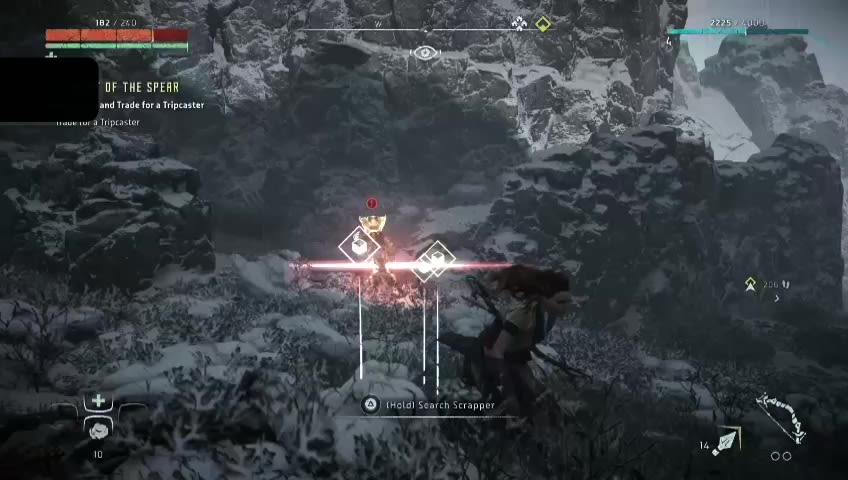
A 'Horizon Zero Dawn gameplay' where she earned another trophy
A 'Horizon Zero Dawn gameplay' where she earned another trophy
"New generational female characters have definitely inspired me in multiple ways. As I was growing up, I found myself relating to Ellie from the Last of Us series considering I was the same age as her when the game was released. I found joy in her humor and understood how impulsive she could be. I am especially a big fan of the newer version of Lara Croft from the Tomb Raider Survivor Trilogy. She is beyond capable, intelligent, and shows a perseverance that male protagonists always seem to inherit. I honestly aspire to be as knowledgeable as Lara is in the field of archaeology in my own studies and interests. The newest version of Princess Zelda from The Legend of Zelda: Breath of the Wild and Tears of the Kingdom has also become an inspiration to me. She has always been represented by wisdom throughout the games but the two most recent games have really expanded on this trait of hers and have made her a well rounded, charitable character."
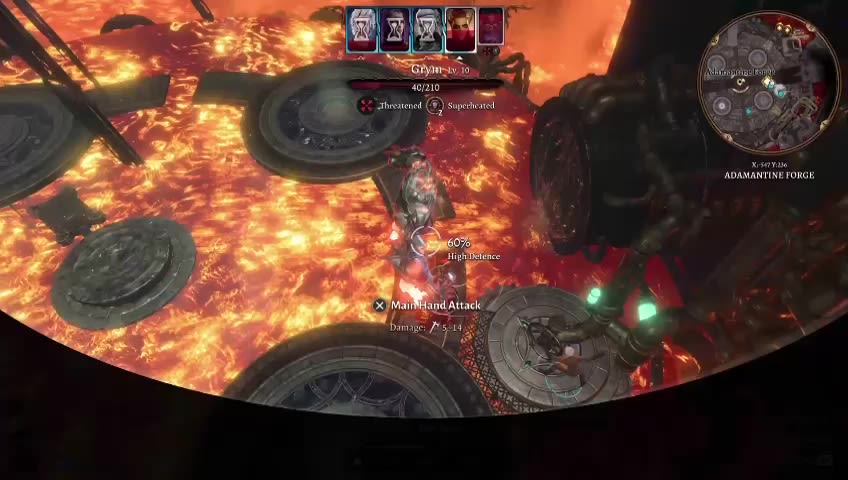
Another gameplay of 'Baldurs Gate 3'
Another gameplay of 'Baldurs Gate 3'
Mariana's gaming monitor
(she built from scratch)
An exclusive talk
An interview with a game studies researcher: Dr Rory Summerley
Rory is a game studies researcher. He has published research on game fiction, esports, the history of games and sports, raising awareness of ecological issues through games, pedagogy in games teaching, parody and irony in games, the spectatorship of AI playing against AI, and new methodologies for critical game analysis.
He's a peer reviewer for the games and culture journal and has experience editing and collaborating on research papers with other researchers.
The stereotypes and misconceptions that women may face in the gaming industry.
A quick Q&A
Q1. How do you think the gaming industry can encourage more women to pursue careers in game development?
Q2. What are some common stereotypes that women in gaming careers often face?
Q3. How do you think the portrayal of female characters in video games affects perception of women in gaming careers?
Q4. Have you noticed any trends or improvements in gender diversity within the gaming industry?
Q5. How do you think gaming companies/industries can make women feel more welcome?
Q6. What advice would you give to women who are interested/thinking about starting a career in the gaming industry?
Revolutionising perceptions of female gamers
While gender stereotypes and challenges have long persisted within the gaming world, there has been significant improvement in recent years in terms of women's representation and participation in the gaming industry.
Women are increasingly stepping into more prominent roles and are challenging stereotypes, breaking barriers, and forging new paths in the gaming industry. As more women continue to make their mark as developers, designers, esports competitors, content creators, and community leaders, the once male-dominated realm of gaming is becoming more diverse, inclusive, and representative of the different talents and perspectives of all gamers.
This ongoing growth signals a promising future where women's contributions are not only recognised but celebrated, inspiring future generations of girl gamers to pursue their passions without fear of prejudice or limitation. With this in mind, whether it’s developing a game, becoming a streamer, script writing for games, or even just picking up a controller to play a game, there is a huge amount of support that women are giving to women. The motivational push to keep up their hard work, keep reaching their end goals, and breaking those stereotypical barriers by doing what they love and enjoy.
As the gaming sphere continues to embrace diversity and equality, it’s clear that women have an important role to play in shaping its future path.


"The extraordinary is in what we do, not who we are"
Lara Croft, Tomb Raider 2013 video game
