
Are we dressing for the artist or the algorithm?
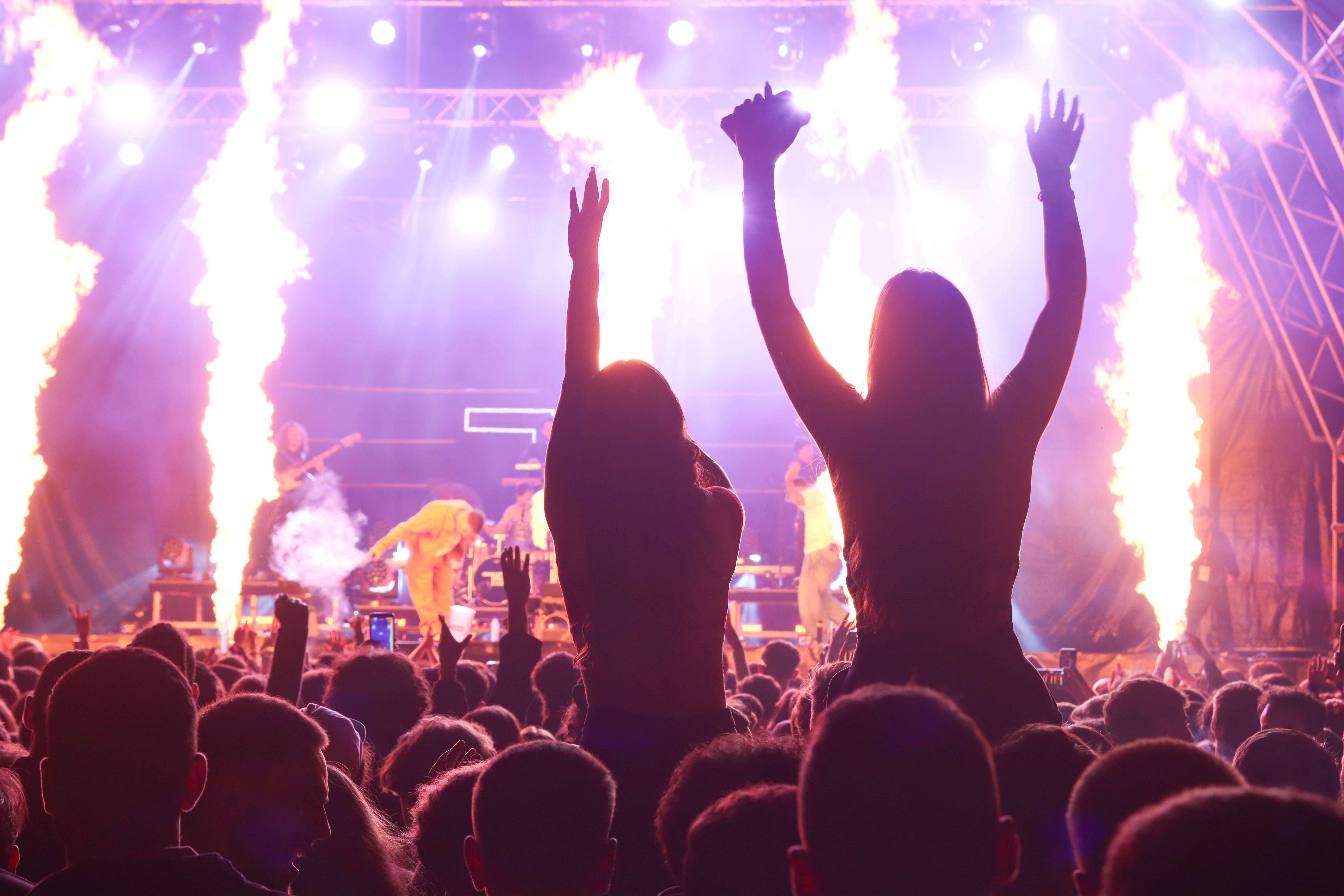
How social media has transformed concert outfits from personal style choices to a cultural phenomenon
The concert no longer starts when the Venus lights go down. For many fans it begins weeks before, scrolling through TikTok and Pinterest for outfit inspirations, all just to plan the perfect outfit for the occasion.
From sequins and friendship bracelets at Taylor Swifts Eras Tour, to romantic, vintage styles at Olivia Dean. Concert fashion has become another way for fans to participate in the music they love. Concert outfits communicate identity, celebrate the artist and create a sense of community between fans. Another prominent example of concert culture changing is Harry Styles, redefining a live show as a multi-sensory, multimedia event. Creative production, exclusive merchandise and interactive fan experiences relate a unique experience for fans.
What’s your style?
Harry Styles
Olivia Dean
Taylor Swift
Tate Mcrae
Social media has added another dimension from dressing up for the concert. Outfits are photographed, filmed and shared, meaning the experience lasts longer than when the lights come up. When every look has potential to become question, it raises the question: are we dressing for the artist, ourselves, or the algorithm?
When the concert becomes content
The relationship between concert fashion and social media adds another layer to the experience and social media has become a source for outfit ideas and styling tutorials and a single concert can generate thousands of videos, with particular looks becoming associated with the artist,
As a result, fans are no longer, just attending the concert; they are documenting their entire participation, such as outfits, transition videos, get ready with me’s, which allows the event to continue on social media long after. The concert is finished.
Although this visibility may allow some users to find people who have the same interest, it raises the question about whether pressure to create content is beginning to influence how fans experience live music.
Although this visibility may allow some users to find people who have the same interest, but are fans now feeling pressure to fit in with concert culture?
Concert fashion is now changing the relationship between fashion, identity and social media. It was once an expression of personal style, but has evolved into a shared experience, shaped by fans, the artist and social media platforms. It has created tension between the creativity of concert fashion and the consumption which comes behind it. while some fans customise clothing, borrow or buy second hand, some feel the need to purchase an entire outfit, and accessories.
The pressure is not necessarily financial, but the expectations that fans must demonstrate their dedication to an artist.
So what are the fans dressing for?
