Schools Out: Families Turn to Home Education in the Face of SEND Failure
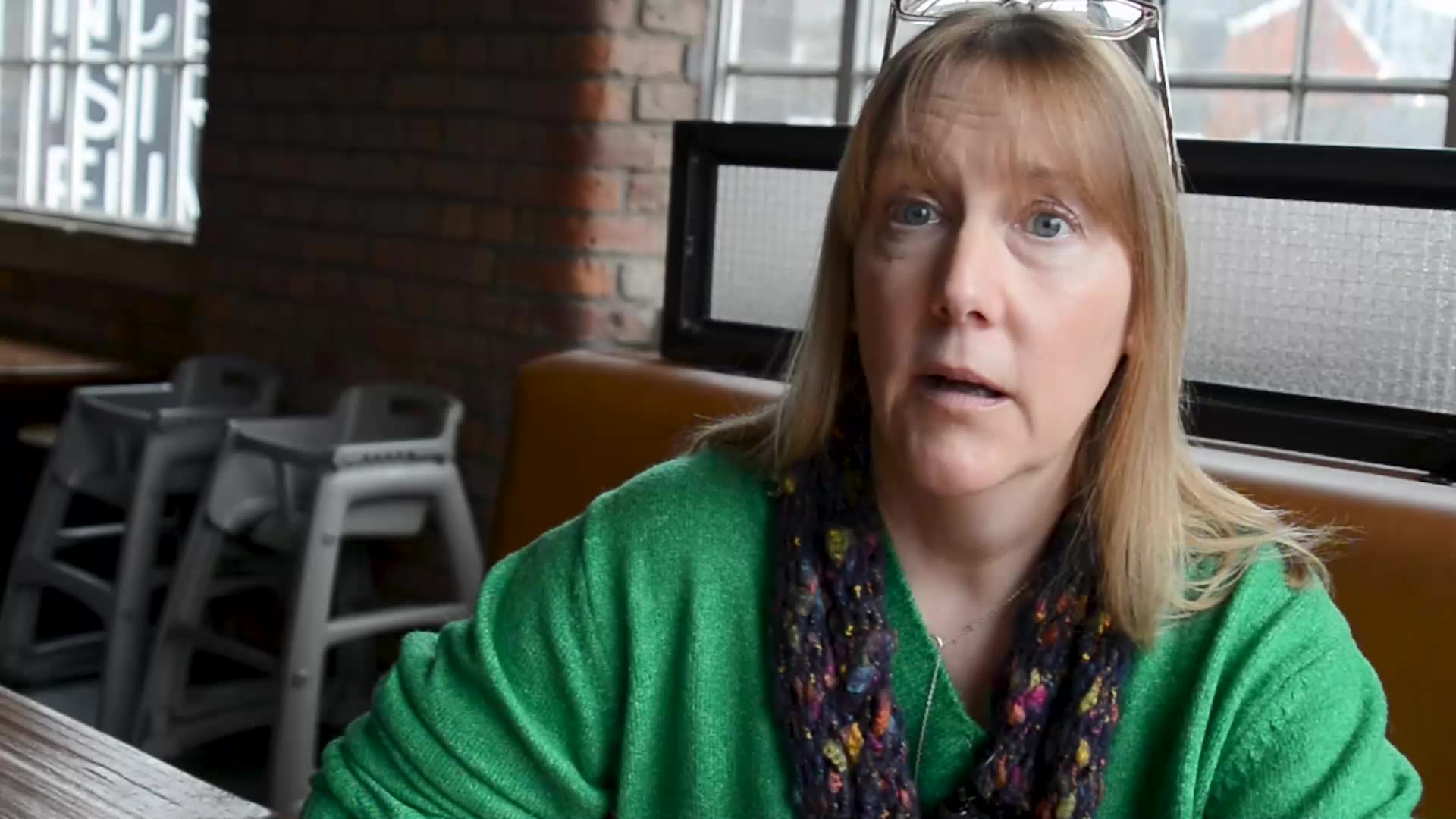
Caroline recalls the overwhelming experience of embarking on a life-altering decision. "It felt like I was throwing myself off a cliff," she reflects, describing the moment she made the choice to start home educating her eldest child Chrissy at the age of 6. Her words encapsulate the daunting challenges faced by families navigating the path of elective home education in response to a faltering educational system.
There are a number of reports identifying an overall lack of an inclusive education system within England that disproportionately affects children with SEND needs. Approximately 15% of all pupils in England are identified as having special educational needs and disabilities. A child is classified as having special educational needs if they possess a learning difficulty or disability that requires specialised educational provisions. (source)
The UK's SEND system has faced significant criticism for multiple reasons. In 2022 The SEND and Alternative Provision Green Paper report highlighted a lack of clarity, consistency and confidence in the support that is available, in order to be responsive to children’s needs leading to children and young people with SEND and those in alternative provision having consistently poorer outcomes than their peers, with any families experiences of the SEND and alternative provision system being negative with difficult to navigate and lengthy procedures to access support.
Alison Chair of The Centre For Personalised Education (PEN) a charity that supports alternatives to mainstream education explains. “The school system has become so narrow, the provision has become so narrow, and the funding for special needs has got less and less. Even though we've got more and more and more identified needs and people are just falling off, these children are just falling off the sides”. The number of children with SEND needs are rising with an increase of 77,000 from 2021, leading to an increasing number being educated in inappropriate settings with a lack of specialist placements and difficulty in accessing speech and language therapists and educational psychology services. Government data reveals that Children with SEND needs are 5 times more likely to be suspended or excluded than their peers. The broken system is leading more and more families to Home Education.
According to Alison "When schools fail to support children's SEND needs, many families feel they have no other choice than to remove their children from the school roll to home educate their children with the aim of safeguarding their child's mental health". The recent Policy Paper released by the Government in May, aims to address some of the issues that lead many families to feel frustrated and let down by the system.
With schools adopting zero-tolerance behaviour policies which disproportionately impact children with SEND, the focus on improving league tables and academic performance of schools instead of incentivising all children to achieve is also impacting on children’s mental health and behaviour. Alison goes on to explain "This is the cohort of parents we have now, who are home educating because the system does not meet their children's needs and often doesn't even recognise their needs. They have just been forced into it through desperation.”
Data available from a recent survey conducted in April 23 by Educational Freedom estimates that from the 183 Local Authorities that responded, a total of 89,510 children are known to be Home Educated and the number revealed by the findings in the December 2022 Home Education Briefing indicates that there were 4,098 children and young people with EHC plans recorded as receiving home education. This was an increase of 12% from 2021.
It is important to note that the number of children with SEND needs is reported by Government Statistics to be 1.5 million children, so the likelihood of children home educating with SEND needs will be significantly higher but due to the numbers not being recorded centrally and many children having SEND needs that have not been recognised by schools, there is a difficulty in estimating the exact numbers.
When schools fail to provide appropriate support and resources for SEND students, families like Caroline’s often find themselves carrying the burden. These families may have to seek external services, assessments, or therapies at their own expense, leading to financial strain and limited access to necessary support.
Alison is a fervent advocate of personalised education and Paralegal in the area of Education and law has spent 20 years supporting families with Home Education and has also trained Local Authorities in the area of home education and the Law, her experience within the Home Education arena has taught her that school is not always the best place for a child, Alison explains, “there is a common misconception, amongst local authorities, government people with power that the best place for a child is in school. And in particular, if a child is special needs the best place for a child in school. As we can see from all these problems where these parents are having to de-register their children for their own mental health or even their physical safety sometimes, this is not the case”.
Talking about the repercussions of the damage a failing SEND system causes a child and their family Alison recalls “They've got this traumatised child and the first thing that needs to happen is that those parents need to surround that child with love and support, nurture so that this child's mental health is fixed so that they can identify this child's needs and identify the form of education that this child is suited to and then give them the education. And the whole point of our education is part of the upbringing of our children. And even in law, it is like that in the UK”.
Alison stresses the importance of nurturing and supporting the mental health of children, and how education should be seen as part of the upbringing process of a child. Alison advocates for personalised education that suits individual children's needs, and highlights that the measure of a successful education is the well-being of the child, Alison states “Quite often these parents, particularly if they've managed to seek and obtain support from the actual home education community rather than local authorities, then we end up with them being encouraged and mentored and them having models of education and all that nurturing stuff. And eventually they will come around and discover their own tailored education for their own individual children”.
A lot of the proposed changes in the SEND AP Improvement Plan will not be in place quickly leaving many more families will suffer under the current system. In February 2023 Tony McArdle who chaired the SEND Leadership Board for DfE spoke to Schoolsweek stated "some heads have been “quite honest” with him about “wanting to do their utmost to deflect children with SEND coming into their schools” he added McArdle also wants heads “not to feel that they are going to be adversely affected if they take SEND children on, because of the way they are graded”. Which suggests that despite what is included in the SEND AP Improvement Plan a lot will ride on who administers the proposed improvements and what level of accountability will be put in place to protect families from continuing failures of the SEND system.
There is a need to recognise that education otherwise than at school is a viable option for many families like Carolines. Education is much broader than school and many children thrive, with support networks, online communities, and advocacy organisations to share experiences, gather resources, and find guidance in navigating the unique challenges they face, Home education is sometimes the only option for many families.
Caroline and Chrissy recall their experience in the following video.