
Sustainability at Loughborough
It’s time for us to step up
As a university, we have a responsibility to do better.
The world can’t wait for us. Loughborough needs to not only be addressing the sustainability crisis but providing the solutions for a more sustainable future too.
But that journey won’t be possible without the contribution of every individual within our University community. We all must work together to shape our behaviours, our attitudes, and the impact we make here at Loughborough and in our day-to-day lives.
Whether that’s through our teaching and research, our sports provisions, our campus activities, or our partnerships – each of us can make a difference and create a better future, together.
We understand that the global and local impacts of climate change and environmental issues can feel overwhelming. However, our sporting legacy here at Loughborough has taught us that it’s the small, incremental changes that can make a real difference. Sustainability is everyone’s responsibility, and we know you can help us achieve our ambitions to shape the University and the world around us.
So, with that in mind, let’s get started.
Introducing our Sustainability Strategy
Our new strategy builds on a foundation of excellent existing work across the university, bringing together the various strands to ensure that we can deliver our Sustainability, Climate Change, and Net Zero commitments. Through this strategy we commit to deliver these ambitions through five key pillars:
- Resilient and Sustainable Campuses and Operations
- Sustainable Sports
- Sustainable Research and Innovation
- Sustainable Education
- Engagement, Events and Partnerships
As a proud signatory to the United Nation’s Sustainable Development Goals (SDGs) since 2019, the 17 goals are embedded throughout the Strategy’s objectives and goals.
This Strategy has been built in consultation with stakeholders from across the University, ensuring we adopted a ‘whole institution’ approach to sustainability and environment that takes advantage of the expertise and voices across our community for the benefit of everyone.
How we’re working together to run a safe and vibrant eco-friendly campus

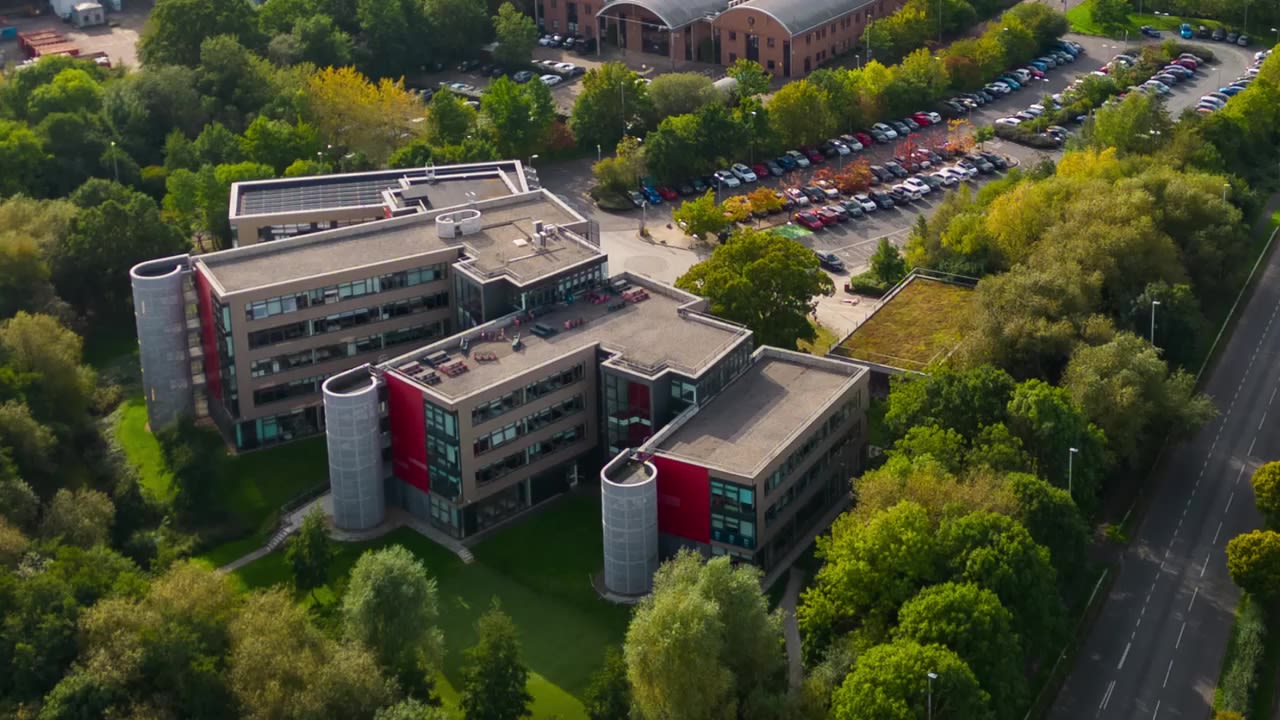
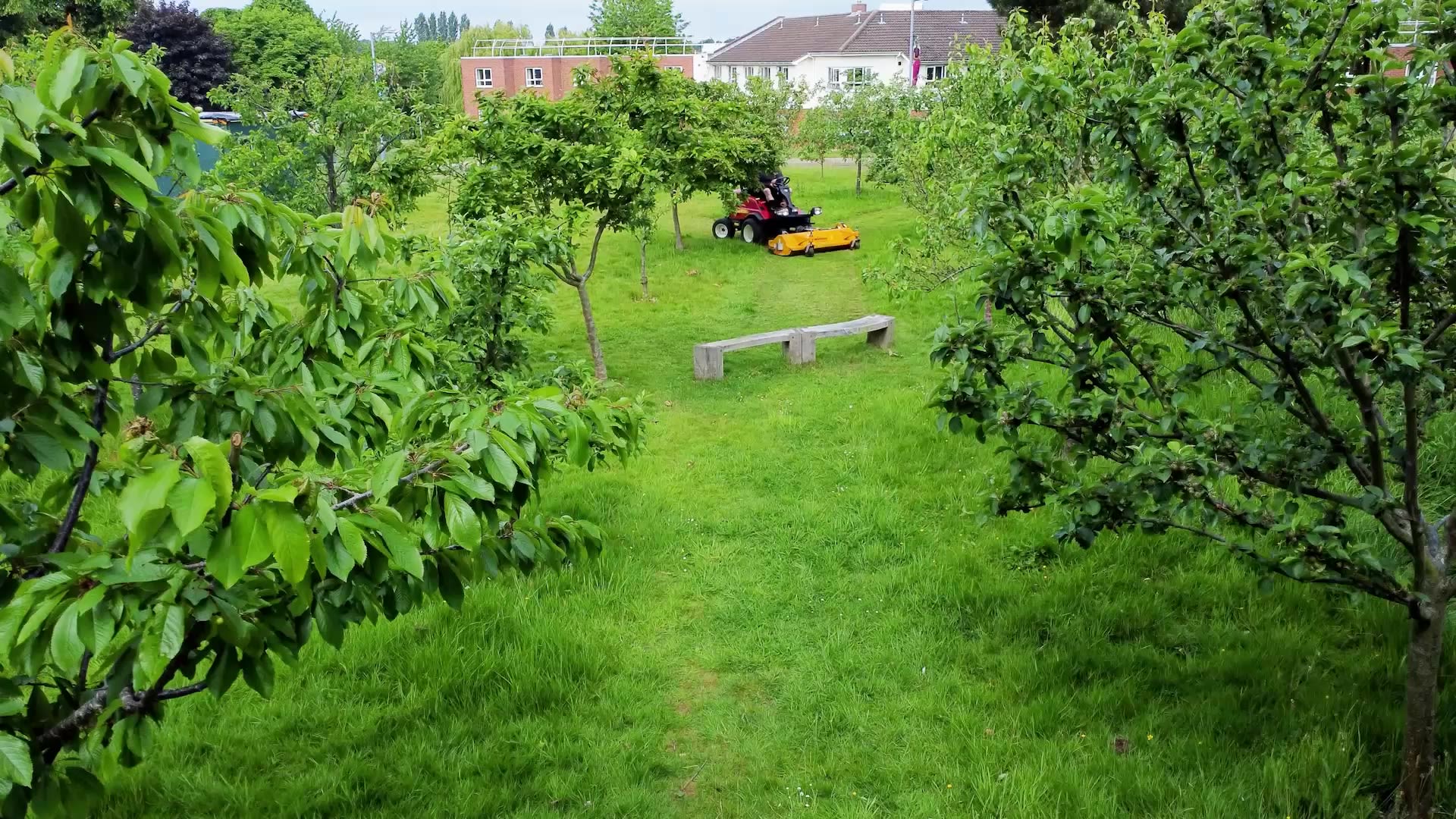
We want to work more closely alongside our University community to improve and change our working practices and operations to nurture the natural environment and provide a healthy and sustainable habitat where biodiversity thrives.
Our Sustainable Food and Beverage Policy is one of the ways we are embracing a more responsible approach to our campus operations. Implementing more energy-efficient equipment, working closely with suppliers to reduce the amount of packaging used across our products, and cutting down the amount of food waste generated across our catering and retails outlets, halls of residence and commercial operations are just some of the key areas we are focusing our efforts on.
Partnerships with organisations such as Quorn have meant a reduction in our meat consumption, and working closely with local farmers and other suppliers where we can supports the local economy as well as reducing our carbon footprint.
To support our efforts to be Net Zero by 2050, a Carbon Action Planner has been developed to support each academic School, Professional Service and halls of residence with tailored actions based on how they can best support our sustainability goals.
Alongside our operations, we’re investing in sustainable infrastructure. SportPark Pavillion 4, based at the Loughborough University Science and Enterprise Park, is Loughborough’s first Passivhaus development, which is widely regarded as the most challenging energy efficiency and comfort standards in the world.
With features including triple-glazed windows, an enhanced thermal efficient airtight building fabric, external solar shading and a highly efficient heat and ventilation system, it offers sports organisations a unique opportunity to secure environmentally future-proof accommodation tailored to their needs.
The project also received the International Green Apple Award for Sustainable Development, Building and Construction and Carbon Reduction.
Our East Midlands campus is made up of over 500 acres and is home to an array of wildlife; numerous badger setts, hedgehogs, kestrels, bats and muntjacs to name just a few.
We’re a founding member of the Nature Positive Universities Alliance, committed to working towards Nature Positive goals in order to halt, prevent and reverse nature loss through addressing our own impact and restoring ecosystems harmed by our activities.
There are plenty of ways staff and students can play their part in making the University a more sustainable place, whether you're passionate about nature, curious to learn new skills, or simply looking to make a positive impact.
Enhance your gardening skills while contributing to environmental sustainability by joining the Landscaping and Gardening Society (LAGS). You could also support the declining bee population by volunteering at the University’s apiary, or deepen your connection with the campus through Fruit Routes – a project launched in 2011 that fosters a rich habitat for people, plants, insects, and animals on our East Midlands campus.
We’re delighted to share that a number of our laboratories have been awarded LEAF (Laboratory Efficiency Assessment Framework) awards, recognising their outstanding commitment to sustainability and environmental stewardship.
The Biosciences laboratory is just one of the spaces which has been awarded Silver, by integrating sustainable practices into daily operations, reducing single-use plastics and running autoclaves at full capacity to minimise energy consumption. The lab has also improved waste management by ensuring packaging is removed before entering the lab, reducing biologically contaminated waste.
Visit our Sustainability website for more information on LEAF and how your lab can get involved.
Here are some other useful initiatives and resources to help you be more sustainable in your day-to-day role at the University:
- Digital Decarb: Tips to reduce your email’s environmental impact and manage your data sustainably
- WARPit: An online portal and reuse network which makes it easy to share surplus resources across our two campuses. The portal is a great way to repurpose items you no longer require and reduce the need to buy new. In 2024, the scheme saved £29,161, as well as avoiding 3812kg of waste and 13,864kg of CO2 emissions.
- Visit our staff transport and travel benefits website, where you can find out about our electric vehicle, cycle to work and car sharing schemes.
Turning Golds into Green to become the champions of sustainable sport
As a global leader in sport, it’s fitting that we’re the first UK university to include sport as a core pillar in its sustainability strategy. This is because we recognise the transformative role that sport can play; we want to use our expertise to become global leaders in this space and influence sporting policy makers and organisations in their sustainability journeys to transition to net zero.
We recognise this means we need to reflect this attitude in our own sporting operations to ensure our sports activities and facilities are conducted in a sustainable manner to minimise the environmental impact and be more resilient to climate change.
In July 2024, the University underlined its commitment to sustainability in sport by signing Sport England’s Going for Green Pledge. The initiative shines a spotlight on the challenges facing the environment and has asked prominent sport and physical activity organisations across the country to sign the pledge, committing to new ways to become more sustainable.
We’re delighted to have partnered with Carbon Jacked to launch ‘The Climate Cup’. The project is the first of its kind to use sport as an engagement tool for student athletes in the UK and higher education sector, and engages over 6,000 student athletes across more than 60 different AU clubs, societies and several professional athletes through our Lightning Franchises.
It’s all about using the power of sport to tackle the climate crisis and restore nature. ‘The Climate Cup’ sees our sports clubs compete to be the most sustainable across four areas: Climate, Nature, Waste and Pollution, and Voice.
As part of this initiative, several clubs introduced new, sustainable activities including tree planting in the Peak District, holding races at e-karting venues, and moving to plant-based cleaning products for boats to reduce chemical run-off in the water.
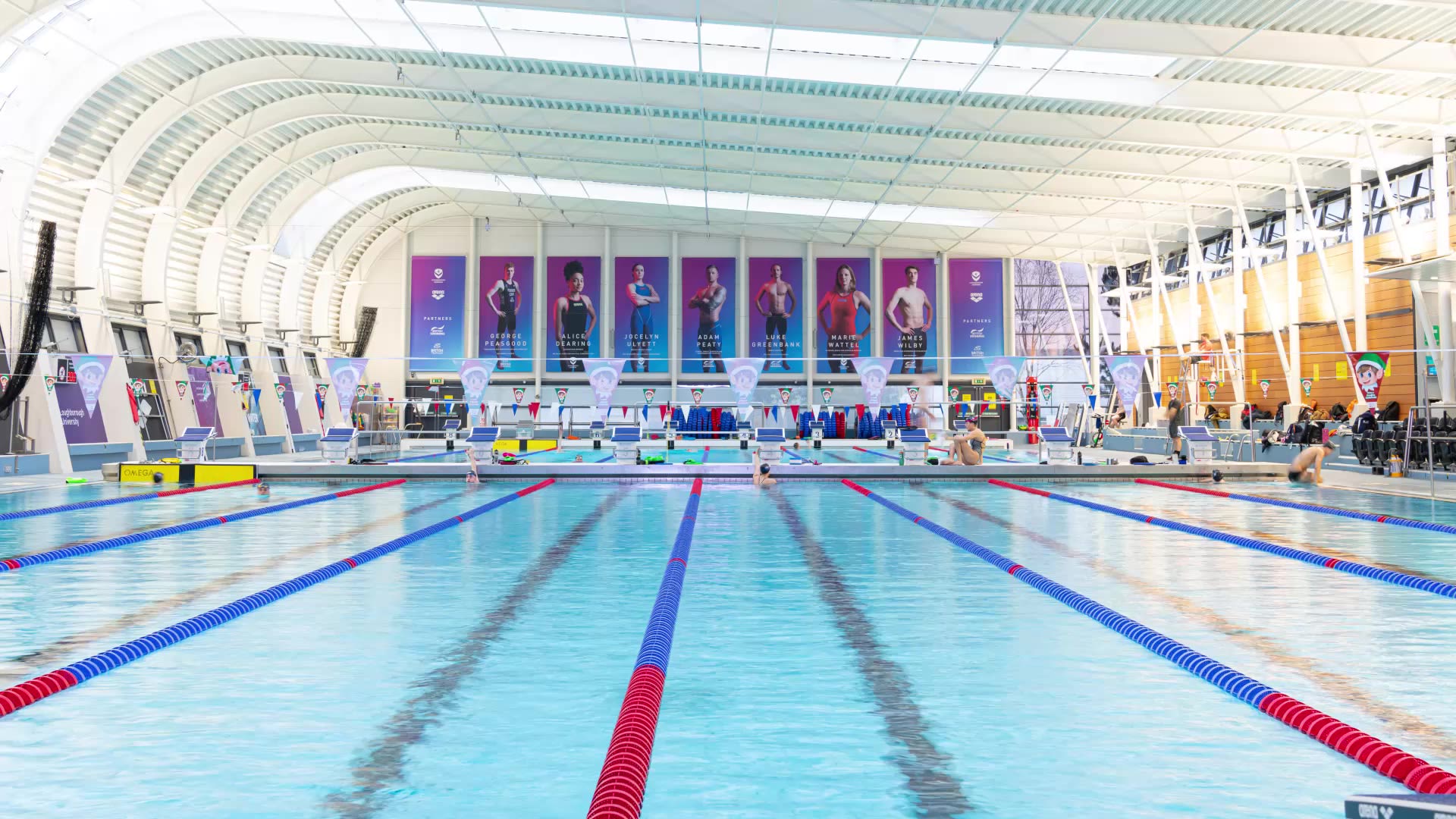
We have successfully secured Salix funding to decarbonise our swimming pool, due for completion over the summer of 2025. This is a significant milestone, as the pool is the largest consumer of gas across our range of sporting facilities and the sixth largest single-use building on campus.
Our plan is to replace all of the gas-powered systems with Air Source Heat Pumps for the main pool, air handling, and domestic services. This will help to eliminate over 300 tonnes of CO2 from our Scope 1 emissions, accounting for 2% of our current Scope 1 emissions.
As one of our research clusters, we have developed a collaborative, cross-disciplinary approach to address the relationship between sport and climate action.
With 120 out of 180 Olympic nations potentially unable to facilitate sport in the future due to climate projections, there has never been a more important time to tackle the key climate issues in sport.
Sports for Climate Action and Nurture (SCAN) brings expertise together from sport sociology, physiology, nutrition, management, ecology and engineering across our two campuses to produce pioneering work to ensure the sports sector continues to exist in a climate-changing world and contributes to environmental solutions.
The team works closely with a number of organisations as well as supporting Doctoral Researchers to advance knowledge and deliver impact in this complex space.
How our research is playing a leading role in mitigating the climate emergency
Outstanding research and innovation at Loughborough in areas such as clean energy and the circular economy makes us a global leader in mitigating the climate emergency, helping society to reduce and avoid the creation of greenhouse gas emissions.
We joined the University of Nottingham in opening the Zero Carbon Innovation Centre (ZCIC), to deliver innovation in transport technology, green hydrogen production, and power solutions for industry and create jobs for the regional economy. The ZCIC brings a range of open access innovation capabilities to the region including electrical machine manufacturing, robotics, digital twinning and green hydrogen generation.
Professor Dan Parsons, Pro Vice-Chancellor for Research and Innovation at Loughborough said:
“The partnership with East Midlands Freeport and University of Nottingham is vital for ensuring that, as a region, the East Midlands can meet its potential of becoming a global leader in low and zero carbon research and innovation. We are collectively incredibly placed to play a significant role in delivering the green industrial revolution. This is a partnership in every sense, with each partner bringing expertise and resources to enhance and complement each other and we're excited at the opportunity this investment will afford.”
Over 7,000 miles away, people living in rural villages throughout Malawi have praised the impact of an award-winning Loughborough University initiative that aims to bring affordable green energy and food security to communities across Africa.
Aftrak, which was named the winning recipient of the $1 million Milken-Motsepe Prize in Green Energy last year, combines solar microgrids and tailored tractors to empower smallholder farmers across the continent – aiming to significantly increase crop yields and incomes while providing access to clean, green electricity in rural communities. Aftrak is currently raising investment to deploy its innovative technology across Malawi where 89% of the population lives without electricity access. It aims to contribute to World Bank goals of providing electricity to 380 million people in Africa by 2030.
Zayndu, a Loughborough University spinout based at Loughborough University’s Science and Enterprise Park, has created a unique AgriTech system that helps to increase productivity and resilience in food crops. Seeds are "vitalised" with cold plasma, improving their health and delivering up to 25% enhanced crop yields – without the use of pesticides. As a low energy, low carbon alternative to fossil fuels and chemicals, cold plasma processes are rapidly attracting interest across a variety of sectors in addition to agriculture.
The technology was developed by Dr Felipe Iza and Zayndu was formed in 2019 to commercialise his research, with Ralph Weir brought in to head up the company as CEO. The company was launched in LUinc. (the University’s incubator) before graduating to LUSEP’s Advanced Technology Innovation Centre (ATIC) where it continues to thrive. The system is already being used across Europe and North America, and last year it was named the winner of the prestigious Made in Midlands Digital Technology Award 2024.
Educating and inspiring others in our community to live sustainable lives
To build sustainability awareness across our University community, we need to feel empowered to take responsibility for our own actions and behaviours to help influence others for the better.
Since October 2021, Loughborough has welcomed over 50 students to its MA Climate Change Politics and Policy and 30 to its MSc Climate Change Science and Management.
The ethos of these programmes is to provide skills for a changing world and employability for a changing workplace. They have a strong focus on the acquisition of skills and competencies for successful, sustainable environmental employability, with learning outcomes aligning with the UNESCO Key Competences for Sustainable Development. Our graduates have gone onto varied and exciting career pathways in sustainability, working for the likes of JBA Consulting and the Climate Compatible Growth Programme.
Carbon Literacy training helps students to relate their learning on topics such as climate change, sustainability, and development to their everyday lives and to their future employment. It also aids student wellbeing by supporting them to take authentic, realistic actions in their own lives and communities.
Since September 2022, we have trained 100 undergraduate and postgraduate students to achieve Carbon Literacy certification. To support this, more than 20 members of staff across academic Schools and Professional Services have become Carbon Literate, including two of our Associate Pro Vice-Chancellors. Recently, the Department of Geography and Environment at the University became a bronze-level Carbon Literate Educator.
Our students have made some incredibly impactful pledges: from active travel and dietary changes, leading a solar PV project in Malawi, arranging sports kit donation schemes, to managing sustainability co-ordination for sports clubs - embedding Carbon Literacy training has proven that we’ve been able to provide a bridge between learning and taking manageable action.
One of our commitments under this pillar is for our staff to undertake sustainability training over the coming years.
The Sustainability team already offers a number of introductory sessions suitable for those at the beginning of their sustainability journey, including their Sustainability Essentials course – an online training package exploring sustainability at the University, and how you can do your bit to help us achieve our Net Zero goals.
Additionally, they have also partnered with Organisational Development to launch ‘What should sustainability mean to me?’, a 90-minute course that helps staff understand the impact of climate change and how they can incorporate sustainable practices into daily life and routines.
Our Enhanced Academic Practice team has also developed an online guide to support staff with embedding the Sustainable Development Goals within formal and informal learning and teaching environments for students, including the curriculum. Education for Sustainable Development has a wide variety of resources to explore no matter how experienced you are with the SDGs.
How we’re hosting responsible events and forging partnerships that align with our values
In 2023, the University was certified to ISO 20121 for Sustainable Event Management. This standard supports the University to address the growing need for environmentally responsible event planning and execution across our diverse range of events, including sports competitions, student recruitment fairs, and academic conferences. This initiative aims to:
- Reduce the environmental impact of university events
- Promote sustainable practices in campus event management
- Meet increasing demand for eco-friendly event solutions from students, faculty, and visitors
- Comply with evolving environmental regulations and university sustainability goals
We are one of the first UK universities to hold this certification.
As part of the Universities Partnership between Loughborough, De Montfort University, and the University of Leicester – along with the city and counties of Leicester, Leicestershire and Rutland – we are committed to environmental sustainability.
Through research and collaborations, the partnership is dedicated to addressing the climate emergency, by focusing on local actions which cannot be achieved by acting alone.
By delivering solutions together, the partnership aims to:
- Commit to reducing our carbon footprints and improving our environmental sustainability.
- Support behavioural change by delivering educational programmes that promote environmental sustainability, including carbon literacy training and sustainability audits.
- Deliver research that tackles environmental challenges: support mitigation and adaptation to climate change and ensuring access to clean, affordable and sustainable air, water, sanitation and energy.
- Enhance natural capital and biodiversity locally, including our university campuses and reduce the negative environmental impacts of local resource use.
Loughborough University has a wide-ranging agreement with the organisation behind Charnwood Forest’s bid to become a UNESCO Global Geopark. The partnership between the University and Charnwood Forest Geopark covers everything from research and education, to science outreach and support for local communities.
Charnwood Forest is home to some of the oldest animal fossils ever discovered and contains rocks from six different geological periods and countless examples of the region’s cultural heritage. Geopark projects include conservation work, schools outreach, arts programmes, and interpretation infrastructure.
It is hoped that in the coming years an application can be made to UNESCO, the UN’s education, science, and cultural organisation, to become a Global Geopark. The Geopark includes well-known sites such as Bradgate Park and Beacon Hill, but also hidden gems like Morley Quarry and Hill Hole Nature Reserve.
We have also partnered with a range of organisations to help you to undertake small acts of sustainability that can make a difference. JogOn, whose mission it is to get 1 million pairs of sport shoes out of landfill, has collaborated with our Print, Post and Logistics Service to provide a collection bin where staff and students can donate their old, unwanted shoes and prevent them from going into landfill. Loughborough Sport and the University’s retail outlets have also partnered with Bottle Up, a sustainable bottle provider made from sugar cane with a reusable lifespan of up to three years.
We’re still at the early stages of our sustainability journey, but as some of the stories here have shown, by working collaboratively, creatively and responsibly, this is our chance to make a real difference. If you’d like to find out more about sustainability at Loughborough and how to get involved, visit the dedicated webpages.
